Smart Smoke Detector: Key Takeaways
- A smart smoke detector sends a phone alert when smoke or CO is detected while nobody is home to hear the physical alarm.
- A smart smoke detector provides automatic self-testing and phone alerts for low battery or test failures, fixing a frequent reliability issue.
- Combined smoke-and-CO detection in a smart smoke detector covers both hazards from one unit, useful for homes with gas appliances or fireplaces.
- Wireless interconnection lets multiple smart smoke detector units alarm together, giving earlier whole-home warning without hardwiring.
A smart smoke detector’s single most genuinely valuable feature, sending a phone alert when smoke or CO is detected while nobody’s home to hear the physical alarm, addresses a real and serious gap in standard smoke detectors: a fire starting while a home is empty gets no response at all from a standard alarm until someone returns or a neighbor notices.
Table of Contents
Every other smart feature, app-based testing, voice announcements identifying which room triggered the alarm, is a genuine convenience layered on top of that one core safety improvement.
Photoelectric vs. Ionization Sensors Detect Different Fire Types Better
Photoelectric smoke sensors generally detect smoldering fires, which produce more smoke before flame, more quickly and with fewer false alarms from cooking-related smoke, while ionization sensors generally respond faster to fast-flaming fires with less initial smoke. Fire safety guidance from organizations like the National Fire Protection Association has increasingly recommended dual-sensor detectors, combining both technologies, or using both technologies together, since each responds better to a different type of fire, rather than relying on ionization-only detectors, which are more prone to nuisance alarms from cooking smoke specifically.
Combined Smoke and CO Detection Solves Two Problems With One Device
Carbon monoxide, an odorless, colorless gas produced by malfunctioning fuel-burning appliances or blocked venting, presents an entirely separate hazard from smoke and fire, requiring its own dedicated sensor type to detect, and a combined smoke-and-CO detector genuinely covers both hazards from one physical unit and one set of battery or wiring requirements, rather than needing two entirely separate devices. For a home with any gas appliances, an attached garage, or a fireplace, combined detection is a meaningfully more complete safety coverage than smoke detection alone.
Interconnected Alerts Across Multiple Units
Many smart smoke detector systems support interconnecting multiple units throughout a home so that a single unit detecting smoke or CO triggers all connected units to alarm simultaneously, not just the one nearest the actual hazard, giving earlier warning throughout the home rather than only in the immediate vicinity of a fire’s origin point.
This interconnection can happen wirelessly for smart detectors, often over a dedicated radio or mesh link rather than relying only on home Wi-Fi, instead of requiring the hardwired interconnection older systems needed, making it a meaningfully easier retrofit for an existing home without rewiring.
Self-Testing Features Address a Real, Common Failure Mode
A significant share of residential smoke detector failures trace back to dead batteries or a detector that’s stopped functioning correctly without anyone noticing until a manual test happens, if one happens at all. Smart detectors with automatic self-testing and a phone alert for a failed test or low battery address this specific, well-documented failure mode directly, removing the dependency on someone remembering to manually test detectors on a regular schedule, a task that in practice often gets skipped for months or years at a time in many households.
Hardwired vs. Battery-Only Models
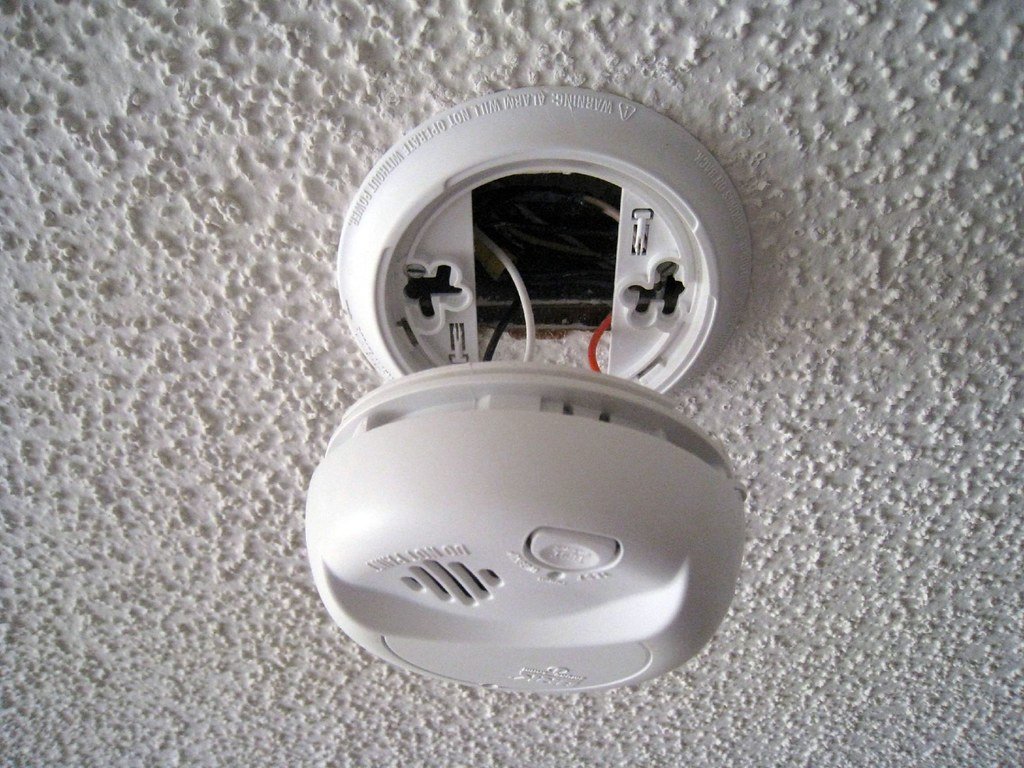
A hardwired smart detector, connected to a home’s electrical system with battery backup for outages, avoids the risk of a fully dead unit during a power outage combined with a dead backup battery, and is generally required or recommended for new construction and major renovations in many jurisdictions.
A battery-only smart detector is meaningfully easier to install in an existing home without electrical work, at the cost of relying entirely on battery power and needing periodic replacement, even with self-testing features flagging low battery status in advance.
A Practical Buying Approach
- Choose a photoelectric or dual-sensor detector over ionization-only, given current fire safety guidance and the reduced false-alarm risk from cooking smoke.
- Choose combined smoke-and-CO detection for any home with gas appliances, an attached garage, or a fireplace.
- Prioritize wireless interconnection between units (ideally one that keeps working if the router is down) for earlier whole-home warning without needing hardwired interconnection.
- Value automatic self-testing and phone alerts for failures as a direct fix for one of the most common real-world causes of smoke detector failure.
The Honest Trade-Off
A smart smoke detector’s core safety value, alerting a phone when nobody’s home to hear the alarm, combined with automatic self-testing that catches failures before they become dangerous, addresses two of the most serious real-world gaps in standard smoke detector reliability. The additional smart features are genuine conveniences, but it’s these two specific improvements that represent the actual meaningful safety upgrade over a standard, non-connected smoke detector.
Bottom Line
Choosing a smart smoke detector with dual-sensor and combined CO detection gives you the core safety upgrade of phone alerts when you’re away. Look for models that offer wireless interconnection and automatic self-testing, then install them near sleeping areas and gas appliances.
Related Reading
- A Portable Generator and a Home Standby System Solve Different Problems Entirely
- The CPSC Just Proposed Mandatory E-Bike Battery Rules. Here’s What to Check Before They’re Law.
- A GPS Tracker for a Loved One With Dementia Is a Safety Tool and an Autonomy Question at Once
Sources: NFPA: what kind of smoke alarm should I buy.
Photo credit: “smoke detector (05-04-08)” by sun dazed, licensed CC BY-SA 2.0 (https://creativecommons.org/licenses/by-sa/2.0/). Source: https://www.flickr.com/photos/8411191@N07/2466149416