Home Generator: Key Takeaways
- A home generator that runs on propane stores fuel indefinitely, reducing long-term reliability concerns.
- A home generator with an automatic transfer switch starts within seconds and can power the whole panel.
- A portable home generator requires manual start, refueling, and outdoor placement at least 20 feet from windows.
- Battery power stations run silently indoors but provide limited runtime unless paired with solar panels.
Shopping for backup power during an outage often starts by comparing prices across portable generators, whole-home standby systems, and battery power stations as if they’re competing options for the same job. They aren’t. Each covers a genuinely different scope of what keeps running during an outage, and the real buying decision is matching that scope to what actually needs power, not finding the cheapest unit in a single category.
Table of Contents
Portable Generators: Selective, Hands-On Backup
A portable generator runs on gasoline or propane, sits outside the home, and powers select items via extension cords or a manual transfer switch connected to specific circuits, commonly a refrigerator, some lighting, and a few outlets. It requires manually starting it, refueling it periodically, and running it strictly outdoors, at least 20 feet from the home and away from windows, doors and vents, per Consumer Product Safety Commission guidance, since carbon monoxide from portable generators causes real, serious poisoning risk when used too close to living spaces.
This is the lowest-cost backup option and the most hands-on, requiring someone present to operate and refuel it throughout an outage.
Whole-Home Standby Generators: Automatic, Comprehensive, Expensive
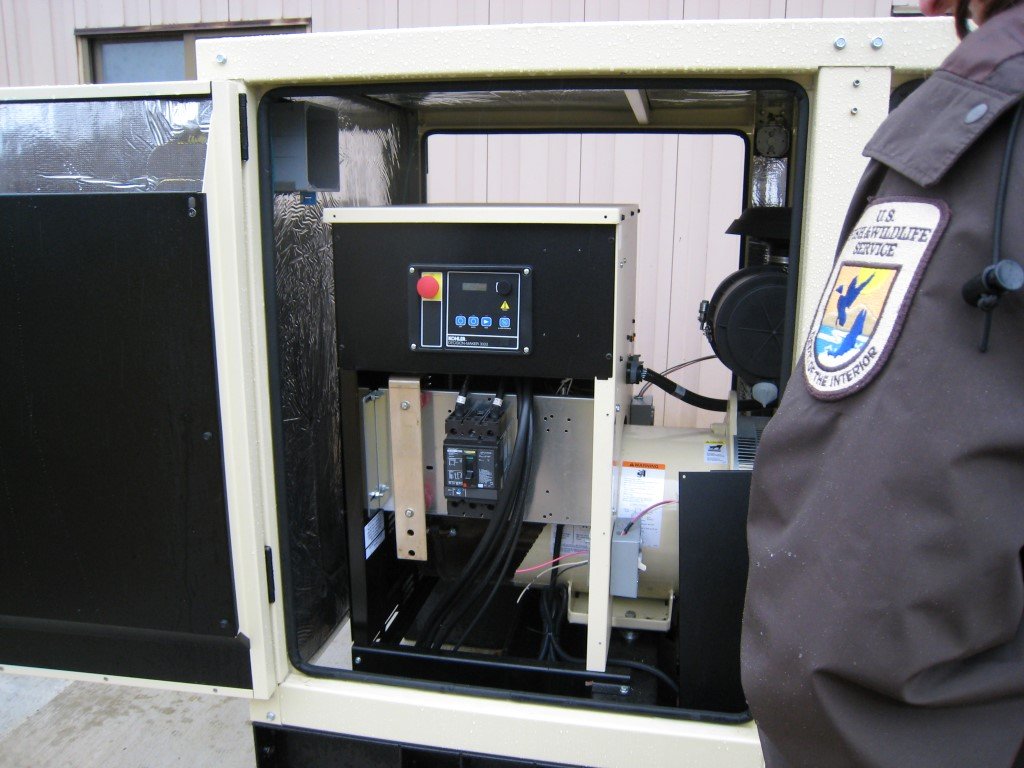
A standby generator is permanently installed outside the home, connected to natural gas or a propane tank, and wired through an automatic transfer switch that detects an outage and starts the generator within seconds, without anyone needing to be present. It can power an entire home’s electrical panel, or a defined subset of essential circuits, continuously for as long as fuel supply lasts.
This is the most expensive category by a wide margin once installation, electrical work, and the fuel line are included, and it typically requires professional installation and local permitting, not a DIY setup.
Battery Power Stations: Quiet, Fuel-Free, Capacity-Limited
A large battery power station stores electricity rather than generating it from fuel, running silently with no exhaust and no fumes, which makes it the only option safe to use indoors. The real limitation is capacity: a battery station holds a fixed amount of energy and needs recharging once depleted, either from a wall outlet before an outage or from solar panels during one, whereas a fuel-powered generator can theoretically run as long as fuel keeps arriving.
Battery stations paired with solar panels are a genuinely capable option for outages of a day or two in sunny conditions, but they aren’t a realistic substitute for a fuel-powered system during an extended multi-day outage with no sun.
Sizing to Actual Need, Not the Biggest Number Available
The most common generator buying mistake is either wildly overbuying capacity that’s never fully used, or underbuying and discovering key appliances won’t run together. A refrigerator, some lighting, a phone charger, and a modem draw a modest and fairly predictable combined wattage; adding a window air conditioner, well pump, or electric heating element changes that math substantially.
Adding up the actual wattage of items expected to run simultaneously, including each appliance’s higher startup wattage rather than just its running wattage, is the calculation worth doing before choosing a size, rather than buying based on price tier alone.
The Fuel Question Nobody Plans For Until an Outage
Gasoline degrades over months of storage and can gum up a generator’s engine if left sitting too long, meaning a portable generator’s stored fuel needs periodic rotation or a stabilizer additive to remain usable when actually needed. Propane stores indefinitely without degrading, making propane-fueled units meaningfully more reliable for backup that might sit unused for a year or more between actual outages, at a modest cost and convenience tradeoff versus gasoline’s wider availability.
A Practical Buying Approach
- Match the category to the actual outage pattern in your area: frequent brief outages favor a battery station or modest portable generator; rare but multi-day outages favor a standby system if the budget allows.
- Calculate real combined wattage, including startup surge, for whatever needs to run simultaneously, rather than guessing a size from price alone.
- Never run a fuel-powered generator indoors, in a garage, or near windows and doors, regardless of manufacturer claims about ventilation, due to genuine carbon monoxide risk.
- Choose propane over stored gasoline for equipment expected to sit unused for long stretches, given gasoline’s real degradation over time.
The Honest Trade-Off
None of these three categories is simply a cheaper or more expensive version of the others; they solve genuinely different outage scenarios. A portable generator suits someone willing to manage fuel and setup manually for occasional outages, a standby system suits someone wanting comprehensive automatic coverage and able to afford the installation, and a battery station suits shorter outages where safety, quiet operation, and indoor use matter more than maximum runtime.
Bottom Line
Match the generator type to your typical outage length and budget. Calculate essential wattage including startup surge, then choose a home generator that fits that load and fuel preference.
Related Reading
- A ‘Solar Generator’ Isn’t a Generator. Here’s What You’re Actually Buying, and Why the Battery Chemistry Matters More Than the Price.
- A $13 Smart Plug Found the Appliance Costing Me $180 a Year. It Was Sitting There Turned ‘Off.’
- Palm Vein Smart Locks Are Real Now, and Cost Less Than a Basic Deadbolt Upgrade Used To
Sources: CPSC winter weather safety tips on carbon monoxide.
Photo credit: “Internal View of Backup Power Generator Installed at Eastern Neck NWR in Maryland” by U. S. Fish and Wildlife Service – Northeast Region, licensed public domain (https://creativecommons.org/publicdomain/mark/1.0/). Source: https://www.flickr.com/photos/43322816@N08/15983856541