
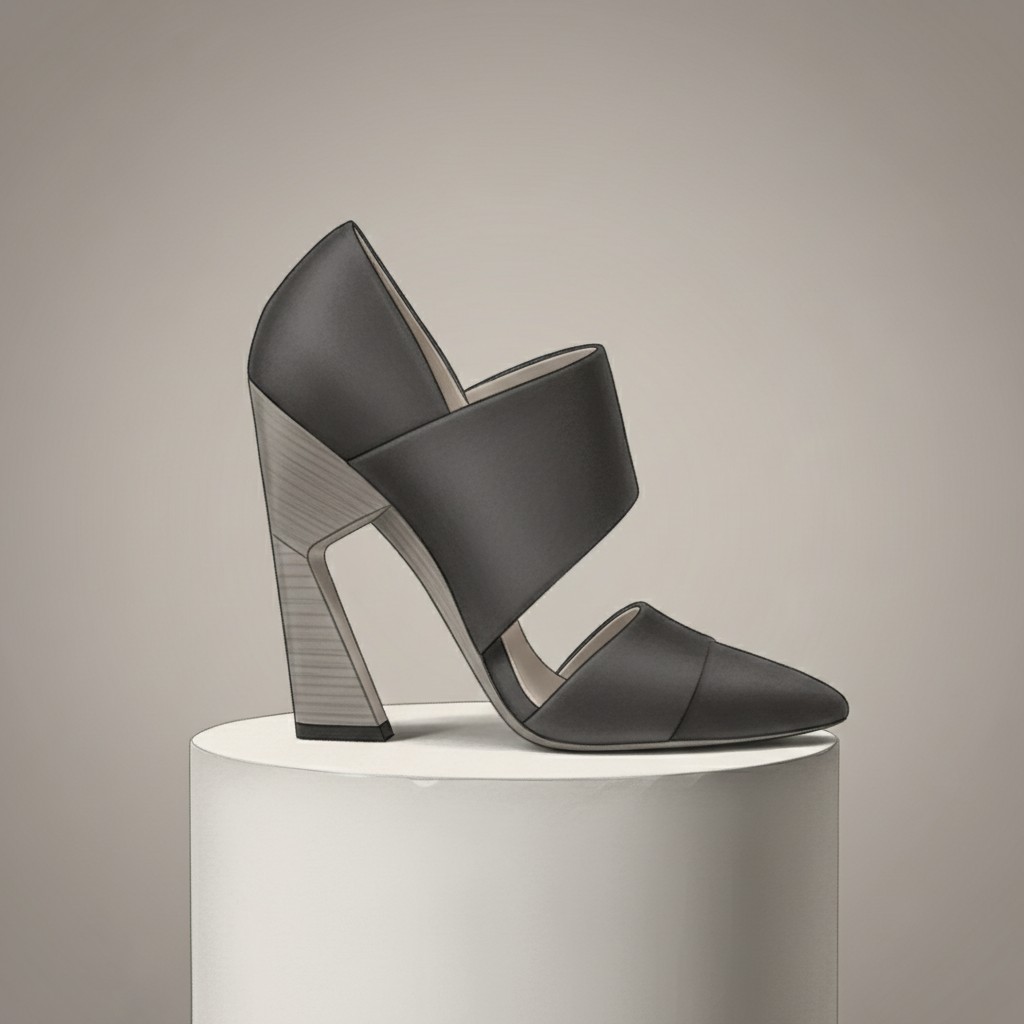
Wedge Heel: Key Takeaways
- The wedge heel distributes weight across a continuous sole, making it more stable than a stiletto for all-day wear.
- Current wedge heel designs feature cleaner lines and neutral materials, which age better than overtly trend-coded styles.
- Checking whether the wedge heel core is solid cork or leather-wrapped helps gauge durability before purchase.
- A minimalist strap or slingback on a wedge heel pairs more easily across various hemlines than a wide ankle strap.
Isabel Marant revived its Beckett wedge sneaker this season. Victoria Beckham and Chloé both sent wedges down the runway. None of that alone answers the question that actually matters before spending money: is this a shoe worth owning for years, or an early-2000s throwback that looks dated again by next fall the way most trend revivals eventually do.
Table of Contents
Why Wedges Are Coming Back Now
The comeback has two separate, genuinely different drivers, and they matter for different reasons. The practical one: wedges distribute weight across a continuous sole rather than concentrating it on a thin heel tip, which is why they’re consistently described as more stable and less punishing over a full day than an equivalent-height stiletto. That’s a real structural difference, not just marketing language, and it’s the part of the wedge’s appeal that doesn’t depend on a trend cycle at all.
The nostalgic one: early-2000s style, the era that made wedges ubiquitous the first time around, is currently the specific decade fashion has cycled back to, the same force currently bringing back low-rise silhouettes and other Y2K signifiers. A shoe can be back in style for a durable reason and a temporary one simultaneously, and telling those apart is most of what a smart wedge purchase in 2026 comes down to.
This Isn’t the Same Wedge From 2007
The silhouette itself has been deliberately reworked rather than simply reissued. Where the mid-2000s wedge leaned heavily boho, chunky cork platforms, woven raffia, an intentionally casual look, the current version is described by stylists as cleaner and more engineered: stripped-back uppers, more sculpted wedge lines, and finishes in suede, metallics, and animal print rather than natural fiber texture.
That distinction matters for cost-per-wear reasoning, covered below, because a more structured, less overtly trend-coded silhouette tends to age better in a closet than a style so tied to one specific decade’s aesthetic that it reads instantly as a costume revival once the trend cycle moves on again.
The Actual Question: Investment Piece or One-Season Buy
Fashion trend pieces get covered constantly as styling advice and much less often as a spending decision, which is the gap worth filling here. A genuinely useful way to sort a wedge purchase is by how tied the specific pair is to 2026’s particular styling details. A minimalist slingback or a simple ankle-strap wedge in a neutral material reads as a normal, mostly trend-independent shoe that happens to be having a moment right now, the kind of purchase that keeps earning wears in 2027 and beyond regardless of what the runway does next.
A statement wedge built around this year’s specific detailing, bold animal print, an exaggerated buckle, a color clearly chosen to match this season’s palette, is a much more explicitly trend-coded purchase, more likely to look specifically “2026” in a way that ages the way trend pieces usually do. Neither is a wrong purchase; they’re just different kinds of purchases; the mismatch happens when someone pays investment-piece prices for a statement-trend pair, or hesitates on a genuinely versatile neutral pair out of trend-cycle caution that doesn’t really apply to it.
What Separates a Well-Made Wedge From a Flimsy One
Wedge construction hides quality differences a stiletto’s slim heel can’t, which makes it easier to get fooled by a cheap pair that looks fine in a product photo. A solid cork or genuine leather-wrapped wedge core holds its shape and resists cracking far longer than a molded foam or hollow synthetic wedge, which tends to compress unevenly and develop visible creasing at the flex point within a single season of regular wear.
Checking whether the wedge is a single solid piece versus a hollow shell, something a listing’s product description will often specify if asked or checked in the material details, and whether the upper is stitched or glued to the sole, are the two fastest ways to gauge whether a specific pair is built to last multiple seasons or priced accordingly because it isn’t.
Two Fit Details to Check Before Buying
Two fit details make a bigger difference in how a wedge reads than most buying guides mention. Ankle strap width and placement change the visual proportion of the leg meaningfully: a wide ankle strap tends to visually shorten the leg and reads better with a mini hemline or a flared, ankle-grazing pant leg rather than a fitted style that already draws the eye to that same spot.
A minimalist strap or slingback design, by contrast, pairs more forgivingly across a wider range of hemlines, including maxi and midi lengths where a chunkier strap would visually compete with the longer silhouette. Checking which category a specific pair falls into before buying, rather than after, avoids the common outcome of owning a wedge that only actually works with one or two outfits already in a closet.
Styling It So It Doesn’t Read as Costume
The current wedge revival is explicitly being styled away from its 2000s “going-out” associations and toward more everyday pairings: wide-leg or bootcut denim instead of fitted styles, tailored shorts with a simple tank rather than a going-out dress, and looser linen or seersucker separates in place of the original era’s more overtly party-focused looks.
Hemlines that graze the top of the shoe rather than cutting well above the ankle are the specific detail stylists point to for elongating the leg with a wedge specifically, since a wedge’s more substantial silhouette reads differently under a cropped hem than a slim stiletto does.
None of this requires an entirely new wardrobe; it’s mostly about pairing an already-owned wedge with the current, less overtly retro styling rather than leaning into the exact 2000s formula the shoe originally came from.
Wedge Sneakers Are Their Own Category, Not Just a Variant
Isabel Marant’s revived Beckett is worth calling out specifically because it isn’t the sandal-and-pump wedge the rest of this piece mostly describes; it’s a wedge built into a sneaker silhouette, a hybrid that’s been a recurring niche category since well before this year’s broader wedge comeback rather than a brand-new spinoff of it. That distinction matters for buying decisions because a wedge sneaker’s use case, and its versatility ceiling, is genuinely different from a wedge sandal or pump: it reads as casual daywear by default rather than something that needs building an outfit around, and it doesn’t carry the same going-out-shoe associations the rest of the current trend coverage is working to shake off.
Anyone drawn to the wedge silhouette but put off by its more formal or retro-coded variants has a meaningfully different, already-established option in the sneaker version, not just a smaller iteration of the same trend.
Where the Real Value Is
For anyone deciding whether to buy in at all, the more defensible move is one well-made, relatively neutral wedge, minimal strap, a wearable heel height, a material that isn’t tied to a single season’s color story, over several cheaper, more explicitly trend-driven pairs bought at once. A single versatile pair earns its cost back through years of actual wear across multiple style cycles, since the comfort argument for wedges doesn’t expire when the Y2K nostalgia wave eventually recedes.
Several statement pairs chasing this specific season’s animal-print-and-buckle details cost more in total, occupy more closet space, and carry a real risk of aging out together the moment the trend cycle moves somewhere else, which fashion cycles reliably do. If a wedge purchase is happening either way, that’s the actual tradeoff worth weighing before checkout, not just which color or print looks best in the product photo.
Checking the construction details covered above and matching the strap style to what’s actually already in the closet takes a few extra minutes; skipping that step is usually how a closet ends up with a wedge that gets worn twice before being forgotten in the back, regardless of how well it photographed on the runway that made it look worth buying in the first place.
Bottom Line
Select a well-made, neutral wedge heel and confirm its core is solid cork or leather-wrapped before purchasing. Then pair it with wide-leg denim or tailored shorts for versatile, long-lasting wear.
Related Reading
- Affordable Jewelry Brands Worth Knowing in 2026 (and How to Judge Any Brand Yourself)
- A Gaming Chair’s Cushions Go Flat in 2 to 4 Years. A Good Office Chair Lasts a Decade. Here’s What Actually Matters for Your Back.
- Open-Back Headsets Always Meant Giving Up Bass. Maybe Not Anymore.
Further reading: Original reporting: aol.com.