Retro Handheld Emulation: Key Takeaways
- Emulators for retro handheld emulation are legal, but pre-installed ROMs on devices often infringe copyright.
- Nintendo’s 2023 lawsuit established that selling pre-loaded retro handheld emulation devices constitutes contributory infringement.
- Some manufacturers ship retro handheld emulation hardware without games, shifting legal responsibility to buyers for ROM sourcing.
- Legal alternatives like Evercade and Analogue avoid ROM legality issues by using licensed cartridges or FPGA hardware.
Retro gaming handhelds from brands like Anbernic, Retroid, and Miyoo have become a genuinely popular, affordable way to play classic games, but the legal status of what runs on them is more specific and more consequential than most buyers realize. The hardware and the emulation software are legal. What’s loaded onto it, in a lot of cases, is not.
Table of Contents
Emulators Themselves Are Legal
This is the foundational fact worth establishing first: emulator software, the programs that mimic a classic gaming console’s hardware to run its games on different hardware, is not illegal on its own. Emulators built through clean-room reverse engineering, developed without copying a console manufacturer’s actual proprietary code, are legally sound software in the US, EU, and UK alike. The legal risk in this entire category comes from a separate question: what game files, ROMs, get loaded onto that legal emulator, not the emulator itself.
Why Most ROM Downloads Cross a Legal Line
ROM files, digital copies of cartridge or disc-based games, are copyrighted software owned by the original game’s publisher. Downloading a ROM for a game you don’t already own, or distributing ROM files to others without permission, constitutes real copyright infringement regardless of how the files were obtained or how old the game is.
The narrower, more defensible use case, personal backups of games you already legitimately own, occupies a genuinely different legal position, though courts have continued distinguishing between that kind of personal backup and any form of unauthorized distribution or sharing, meaning even a personal-backup justification doesn’t extend to redistributing those files to others.
Console BIOS Files Carry the Same Restriction
A related, frequently overlooked detail: the BIOS firmware some emulators require to function, the PlayStation 1’s SCPH-1001.bin file being a commonly cited example, is itself copyrighted firmware, and distributing it is illegal in the same way distributing a ROM is. The legally sound way to obtain a BIOS file is dumping it directly from hardware you personally own using a tool built for that purpose, rather than downloading a copy someone else has already extracted and shared online.
Nintendo’s $12 Million Case Against LoveROMs
This isn’t a hypothetical legal risk; it’s been tested and decided in court with real financial consequences. In 2023, Nintendo won a major lawsuit against LoveROMs and LoveRETRO, resulting in $12 million in damages after the sites distributed unlicensed ROMs and sold consoles pre-loaded with them. The court’s specific finding is worth understanding directly: distributing both the pirated software and the hardware specifically designed to run it together constituted contributory infringement, a combined offense more serious than either piece alone.
That case established real, binding precedent for exactly the pre-loaded-handheld scenario many buyers encounter today.
Why Most Pre-Loaded Handhelds Are the Legally Risky Part
The hardware and the pre-configured emulation software on a device like an Anbernic or Retroid handheld aren’t the legal problem; the pre-installed games often are. When a manufacturer bundles copyrighted games directly onto a device without licensing agreements from the actual rights holders, Nintendo, Sega, or Capcom commonly among them, that bundling itself infringes on those companies’ intellectual property regardless of the buyer’s own intent.
This is specifically why cheaper handhelds from brands like Anbernic, TrimUI, and PowKiddy shipping with games pre-loaded are almost certainly operating in clearly infringing territory, distinct from the hardware and emulator software itself, which remains legal on its own.
How Manufacturers Navigate This in Practice
The more careful approach some manufacturers have adopted directly reflects this legal distinction: Anbernic sells most of its Android-based handhelds without a pre-installed microSD card of games at all, shipping only the hardware with pre-configured emulator software, and leaving it to the buyer to supply their own legally obtained ROM files separately.
That structure is a deliberate way of staying on the legal side of the emulator-versus-ROM distinction, selling a device that’s fully capable of running classic games without the manufacturer itself being the one distributing the copyrighted game files.
Where Real-World Enforcement Actually Focuses
It’s worth knowing where enforcement attention has actually concentrated, since it shapes the practical risk picture for an average buyer differently than the letter of the law alone might suggest. Most enforcement action targets distributors, ROM websites and companies selling pre-loaded hardware, rather than individual end users downloading files for personal use, though the underlying legal exposure technically exists regardless of scale.
Nintendo specifically stands out as the most aggressive publisher in pursuing ROM sites and pre-loaded hardware sellers directly, while most other publishers concentrate their legal efforts on active commercial piracy operations rather than individual collectors.
Legal Alternatives Worth Knowing About
For anyone wanting the retro gaming experience without navigating the ROM legality question at all, a genuinely growing set of fully legal options now exists. Nintendo Switch Online’s Expansion Pack tier, $49.99 a year, roughly four dollars a month, includes a licensed catalog spanning NES through GameCube titles. PlayStation Plus Premium and Xbox’s backward compatibility program similarly provide legal access to meaningful chunks of each platform’s own back catalog as part of an existing subscription.
On the hardware side, Evercade makes licensed cartridge-based handhelds and home consoles, with over 80 cartridges spanning more than 700 games from publishers including Capcom, Atari, Namco, and SNK, and a new Evercade Nexus handheld announced for an October 2026 launch. For playing genuine original cartridges rather than digital re-releases, FPGA-based hardware from Analogue offers a fully licensed, non-emulation path: the Analogue Pocket plays original Game Boy, Game Boy Color, Game Boy Advance, and Game Gear cartridges directly, the Super Nt and Mega Sg play real SNES and Genesis cartridges respectively, and the Analogue 3D plays genuine Nintendo 64 cartridges in 4K with no emulation involved at all.
These options remove the ROM-legality question entirely, at the tradeoff of being limited to whatever catalog each specific service or device’s publisher licensing actually covers.
A Practical Approach
A few concrete guidelines worth following given the actual legal landscape described above:
- Buy hardware and emulator software without pre-loaded games specifically, treating a device shipped without ROMs as the meaningfully lower-risk purchase compared to one arriving with a library already installed.
- Source game files only from games you already legitimately own, and specifically avoid downloading or sharing ROMs for anything you don’t personally own a legal copy of, regardless of the game’s age or perceived unavailability.
- Dump BIOS files directly from owned hardware rather than downloading pre-extracted copies shared online, given that BIOS files carry the same copyright restrictions as game ROMs.
- Treat “abandonware” claims skeptically, since a game being out of print or no longer commercially sold doesn’t change its copyright status or make downloading it legal, a common misconception worth specifically avoiding.
Sources: Aggregated 2026 emulation legal reporting from McNeelyLaw and Held Games, cross-checked against Android Authority’s 2026 reporting on pre-loaded handheld devices and the Nintendo v. LoveROMs court case.
Bottom Line
Retro handheld emulation hardware is legal, but pre-loaded games typically violate copyright, so buyers should choose devices without pre-installed ROMs. Next, purchase a blank handheld like Anbernic’s Android models and legally obtain ROMs only from games you personally own.
Related Reading
- Flying an Unregistered Drone Can Cost You $27,500. Here’s Every Rule That Actually Applies to a Hobbyist.
- The Free Year of Gemini Advanced That Came With Every Chromebook Plus Expired in January. Here’s What You’re Actually Paying the Premium For Now.
- Texas Sued Five TV Makers Over Spying Smart TVs. Two Settled. Here’s What Changed, and How to Fix Yours Regardless.
Further reading: U.S. Copyright Office: what is copyright, Video game console emulator (Wikipedia).
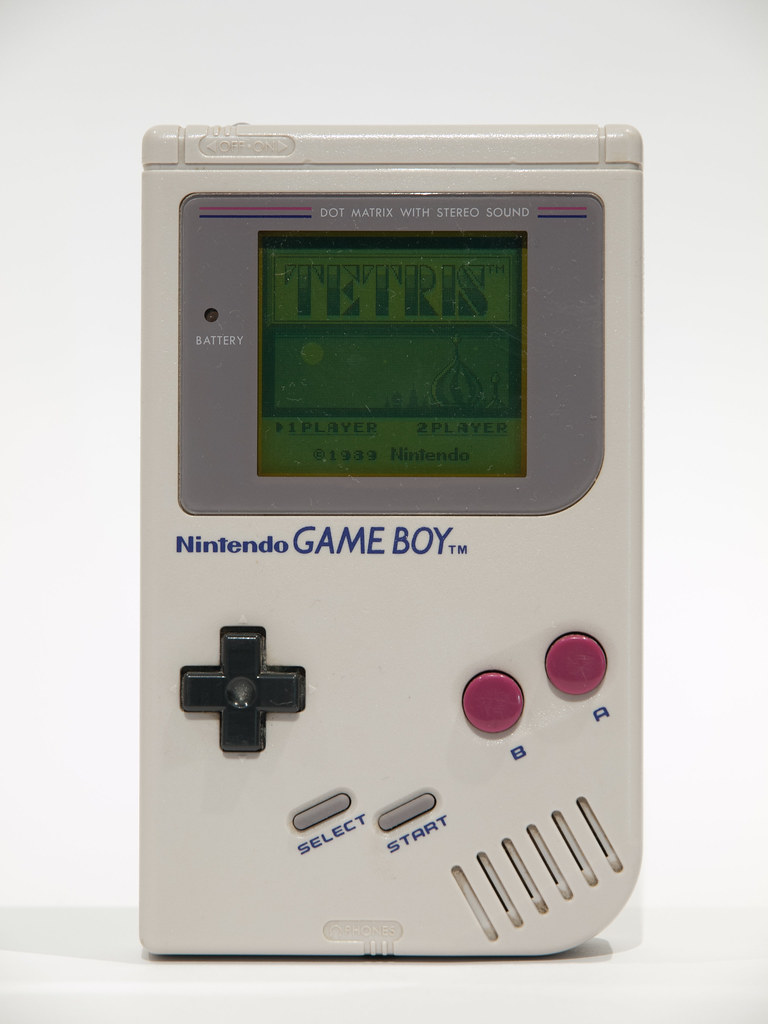
Photo credit: “Nintendo Gameboy” by wwarby, licensed BY (https://creativecommons.org/licenses/by/2.0/). Source: https://www.flickr.com/photos/26782864@N00/3295094685