This site already covered the Pixel Tag vs. AirTag decision for tracking keys and bags. Pets are a genuinely different problem, and Life360 just launched a product that makes that difference concrete: a $7.99 scannable tag that isn’t trying to compete with AirTag on specs at all. It’s solving for a scenario Bluetooth trackers structurally can’t cover, and understanding why is more useful than comparing feature lists.
Three Technologies Solving Three Different Problems
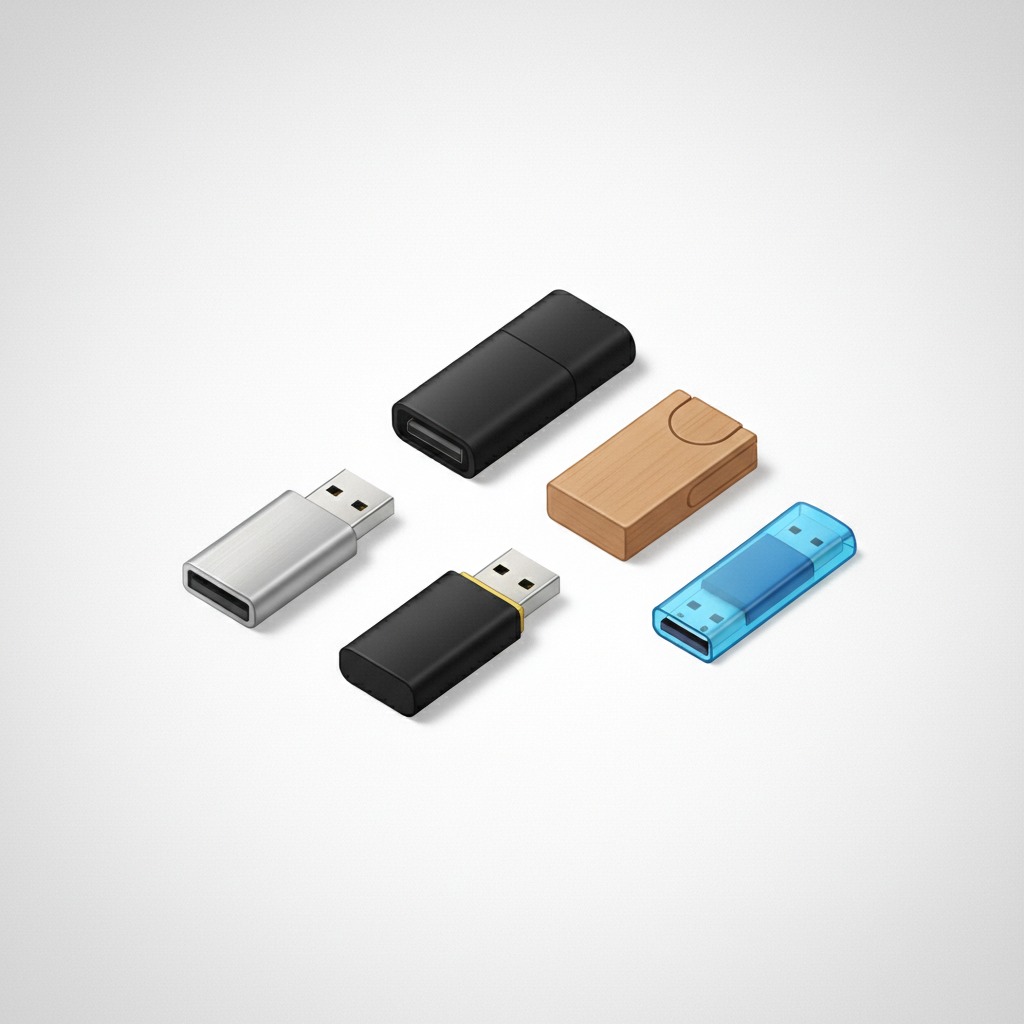
Bluetooth trackers, AirTag and Pixel Tag among them, cost around $25 to $30 once, with no subscription, and work by broadcasting a signal that any nearby phone in the manufacturer’s finder network can detect and relay back to the owner. That network is the entire mechanism. An AirTag on a leash-less dog in a busy city park works because there are enough iPhones nearby to relay its position. The same tag on a dog that bolts into a rural tree line, far from other phones, is functionally silent. Apple’s own guidance is explicit that AirTag is “designed exclusively for tracking objects, and not people or pets,” a disclaimer that exists precisely because the finder-network model depends on population density it can’t guarantee.
GPS trackers, including Life360’s existing GPS Pet Tracker, solve the density problem with a cellular SIM connection built into the device, reporting real-time location independent of nearby phones. That’s why Life360 bundled its GPS pet tracker into its $99.99-a-year Silver subscription tier, previously reserved for Gold and Platinum members. The ongoing cost isn’t a software fee; it’s covering a cellular data connection, the same reason a phone itself needs a plan. For a pet that roams anywhere without guaranteed nearby foot traffic, a farm dog, a cat that free-roams a rural property, a dog prone to genuinely disappearing rather than just wandering the yard, this is the only one of the three that reliably works when it matters most.
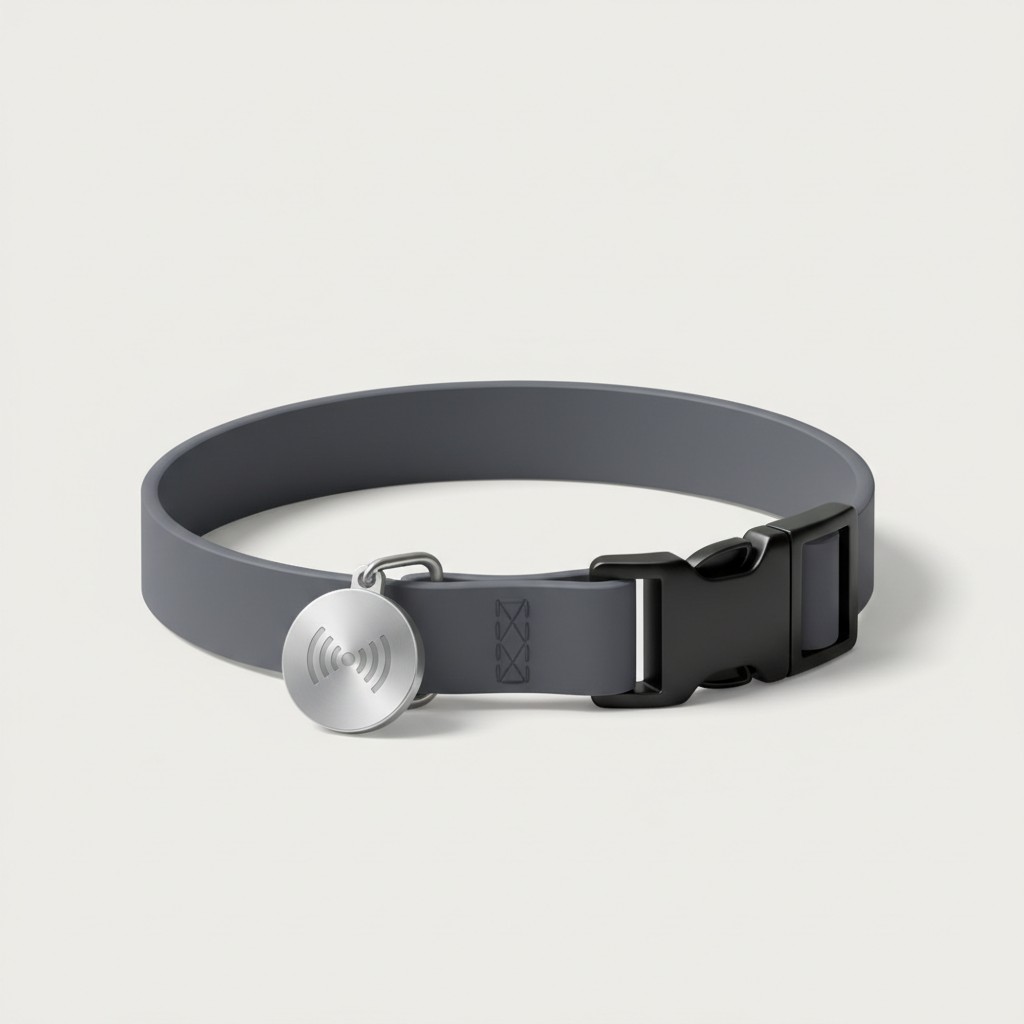
The new $7.99 scannable tag is neither of the above, and that’s the point. It carries no Bluetooth radio and no cellular connection; it’s a QR code. If the pet is found by a stranger, scanning the code alerts the household through the Life360 app and shares the pet’s last known location, without the finder needing the app installed themselves. It’s a passive, one-time-cost identification method, not an active tracking device at all, and pricing it against AirTag or a GPS collar on “which finds a pet faster” misses what it’s built for.
What a $7.99 Price Point Can and Can’t Include
It’s worth being specific about why this tag is so much cheaper than the alternatives, since the price gap isn’t a promotional discount, it’s a difference in what’s inside the device. A Bluetooth tracker needs a radio chip, a battery, and enough onboard logic to participate in a finder network; a GPS tracker needs all of that plus a cellular modem and SIM. A QR tag needs none of it: no battery, no chip, no radio at all, just a printed, scannable code and a durable housing. That’s a genuinely different manufacturing cost, not a marketing gimmick, and it’s also why the tag never needs charging or battery replacement, an underrated practical advantage for anyone who’s forgotten to charge a Bluetooth tracker until it was already too late to matter. It also means there’s nothing electronic inside to fail from water exposure or a chewed collar in the way a battery-powered tracker eventually can; the durability concerns shift entirely to whether the printed code itself stays legible and scannable over months of outdoor wear, which is a housing and materials question rather than an electronics one.
Matching the Tool to the Risk
The honest way to choose between these isn’t brand loyalty or spec comparison; it’s being specific about the actual worry driving the purchase.
- Worried about a collar coming loose and a stranger finding a pet with no way to identify whose it is? The $7.99 QR tag solves exactly that, at the lowest cost of any option here, with zero ongoing fee. It doesn’t help locate a pet in real time; it helps whoever finds the pet reach the owner.
- Worried about a dog slipping out in a populated neighborhood or off-leash park? A Bluetooth tracker, AirTag or Pixel Tag, is well matched to this scenario. The population density that makes it fail in rural areas is exactly what’s present in a suburban or urban setting, and the one-time cost with no subscription is a real advantage if this is the primary risk.
- Worried about a pet that could end up genuinely far from any populated area, a farm animal, a rural free-roamer, a dog with a documented history of running for miles rather than yards? The GPS tracker’s subscription cost buys something the other two structurally cannot: a location signal that doesn’t depend on someone else’s phone being nearby.
What the Comparison Sites Are Missing
Existing pet-tracker comparisons online, built before this specific product launched, tend to frame the decision as a binary between AirTag and a GPS collar, weighing subscription cost against one-time cost as if those were the only two options on the table. That framing made sense when a QR-based option barely existed as a serious category; it leaves a real gap now that a manufacturer with Life360’s scale has shipped one at a price point neither of the other two categories can approach. Any pet-tracker guide still framing this as a two-way choice is working from a market that changed within the last week of this being published.
The Case for Using More Than One
Because these solve different problems rather than competing versions of the same one, they’re not mutually exclusive, and the cost of layering them is genuinely low. A $7.99 QR tag on the same collar as a Bluetooth tracker costs less than a single month of a premium streaming subscription and covers the specific “found by a stranger with no tracker context” scenario a Bluetooth tag doesn’t handle on its own, since a Bluetooth tracker tells a finder there’s a device attached, not automatically who to contact, depending on how the manufacturer’s found-item flow is set up. For most pet owners with even moderate escape risk, the QR tag is close to a no-brainer add-on regardless of what else is already on the collar, precisely because it isn’t trying to replace anything. A multi-pet household in particular benefits from the arithmetic here: outfitting three dogs with Bluetooth trackers is a genuine expense at $25-30 each, while adding a QR tag to each is a rounding error on top of whatever tracking method the household already uses.
What’s New Here, and What Isn’t
Life360’s press materials frame Zoomies Alerts, which detects bursts of pet energy at specific times of day, as the headline addition alongside the tag, but that’s a GPS-tier feature layered onto an existing product, not the new part of this announcement. New pet-care logging tools, tracking feeding, walks, medication, and litter cleaning with a household-wide weekly roundup, are a similar incremental addition on top of the existing app rather than a new category. The scannable tag is the new thing: over 8 million pets have been added to Life360 accounts since the company’s pet tracking launched last year, and this is the company explicitly building for the segment of that base whose real risk is identification, not real-time location, at a price point that undercuts every other option here by a wide margin.
The Buying Decision, Simplified
Don’t start by picking a brand. Start by describing, honestly, where a pet actually goes when things go wrong, a backyard, a neighborhood, or genuinely unknown territory, and let that answer choose the technology. The $7.99 tag is worth adding almost regardless of the answer; the choice between a Bluetooth tracker and a subscription GPS collar is the one worth thinking through, and it comes down to whether a pet’s worst-case scenario happens somewhere with other phones around, or somewhere it doesn’t.