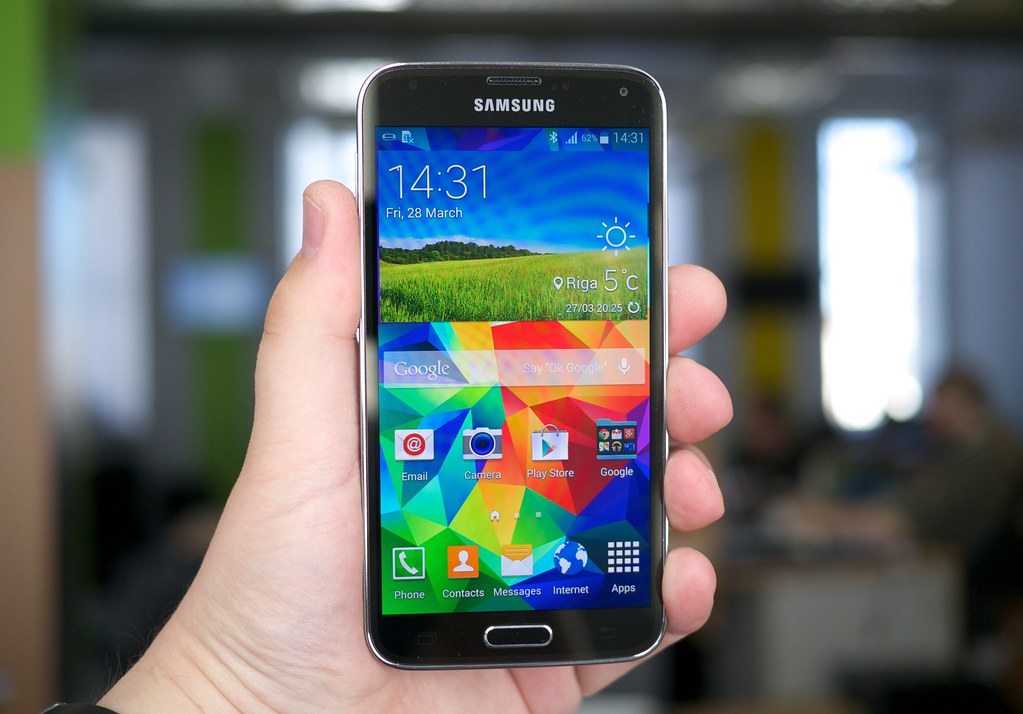
A used iPhone 15 in excellent condition currently runs about $540. A brand-new iPhone 17e costs about $600. That’s close enough that the real decision isn’t “can I afford the newer phone,” it’s “which of these two serves me better for roughly the same $60.” Most “is the iPhone 15 still worth it” advice skips right past that specific comparison and gives a generic verdict instead. The real answer depends on which spec differences matter to how you personally use a phone.
Table of Contents
What You’re Comparing
| Spec | iPhone 15 (used) | iPhone 17e (new) |
|---|---|---|
| RAM | 6GB | 8GB |
| Battery | 3,349mAh | 4,005mAh |
| Screen brightness | 2,000 nits | 1,200 nits |
| Screen resolution | 2,556 x 1,179 | 2,532 x 1,170 |
| Ceramic Shield | Standard | Shield 2 (more durable) |
| Processor | A16 | A18 |
| Storage (base) | 128GB | 256GB |
| Cameras | Dual-camera system | Single camera |
| Front design | Dynamic Island | Notch |
| Charging | 20W wired / 15W wireless | Faster wired/wireless |
Neither column wins across the board, which is exactly why a generic “buy the newer one” answer undersells the actual tradeoff.
Where the iPhone 15 Genuinely Wins
Two specs favor the older, cheaper-to-source phone outright. Screen brightness is the clearest: 2,000 nits on the iPhone 15 against 1,200 nits on the 17e is a real, visible difference in direct sunlight, not a spec-sheet number that’s invisible in daily use. The dual-camera system is the other clear win; the 17e drops down to a single camera, which is a real functional step back if you use the second lens for zoom or wide shots regularly.
The Dynamic Island versus notch difference is smaller in practical terms but still a genuine design downgrade on the newer, cheaper phone, if you’ve gotten used to how the Dynamic Island surfaces notifications and Live Activities.
Where the iPhone 17e Genuinely Wins
The 17e’s advantages cluster around raw performance and everyday battery life. More RAM, a newer A18 processor, and a meaningfully larger battery (4,005mAh vs. 3,349mAh) add up to a phone that will feel snappier day to day and needs charging less often. Storage is a real, immediate win too: the 17e starts at 256GB where the iPhone 15’s base tier is 128GB, and upgrading the iPhone 15 to 256GB adds another $100 on top of its price, which changes the math on that $60 gap significantly if storage matters to you.
Ceramic Shield 2 being more durable than the standard Ceramic Shield is a real improvement, though it’s the kind of spec that only matters if you drop your phone, not something you’ll notice day to day the way brightness or battery life shows up.
The One Feature That Decides This for Some Buyers Outright
There’s one difference that isn’t really a spec tradeoff at all: Apple Intelligence. The iPhone 15’s A16 chip doesn’t support it; the 17e’s A18 does. If Apple Intelligence features are something you genuinely plan to use, this single line item overrides most of the rest of the comparison, since no amount of extra camera or brightness makes up for a feature category the phone simply can’t run.
If you don’t care about Apple Intelligence at all, this line item just disappears from the decision entirely, and the comparison comes down to the brightness/camera/battery tradeoffs above.
Buying Used Adds One Variable the Spec Sheet Doesn’t Show
Everything above compares the two phones as if “used iPhone 15” is a single, known quantity. It isn’t. The $540 figure assumes “excellent condition,” a grading term that’s doing a lot of work in that price and that different sellers apply with different levels of rigor. Excellent-condition grading is usually meant to cover cosmetic wear, not battery health, which degrades separately from how the phone looks and isn’t always disclosed clearly at the point of sale.
That’s a real, practical gap the iPhone 17e simply doesn’t have, since a new phone starts with a full-health battery by definition. It’s not a reason to avoid buying used; it’s a reason to specifically check a listed battery health percentage (most reputable used-phone sellers and marketplaces disclose this, and iOS itself shows it under Settings > Battery > Battery Health) before comparing the used iPhone 15’s price against the 17e’s.
A used iPhone 15 with battery health in the high 80s is a meaningfully different purchase than one still in the mid-90s, even at the identical listed price and cosmetic grade.
Software Support Isn’t the Deciding Factor Either Way
Apple typically supports iPhones with software updates for five to seven years after release. The iPhone 15 launched in September 2023, so even on the conservative five-year estimate, it has support well into the back half of this decade; iOS 27 already runs on phones as old as the iPhone 11, which is a useful sanity check on how far back Apple’s support window realistically reaches.
Buying the used iPhone 15 isn’t buying into a phone that’s about to lose updates, so software longevity isn’t a reason to default to the newer model.
A Trade-In Changes the Math Differently for Each Option
If you’re funding either purchase partly by trading in an old phone, the two options don’t benefit equally from that trade-in credit. New-phone purchases, including the 17e, are the transaction type carriers and Apple themselves are built around incentivizing with trade-in credit, and those promotional credits are often at their most generous specifically for new-device purchases rather than used-device ones.
Buying the used iPhone 15 through a resale marketplace instead usually means selling your old phone as a separate transaction, at whatever that marketplace’s own trade-in or resale rate happens to be that week, rather than folding it into a promotional carrier deal.
That doesn’t automatically favor the 17e; a strong independent resale price for your old phone can easily beat a mediocre carrier trade-in credit, and marketplace resale prices fluctuate constantly. But it’s a real second variable worth checking specifically, not assuming, before treating the $540-versus-$600 comparison as the whole financial picture.
Get an actual trade-in quote for whatever phone you’re replacing through both paths before deciding; the effective price gap between the two options can shift by more than the $60 headline difference once a trade-in is factored in on one side but not the other.
So Which One Fits You Better
Skip the Apple Intelligence question first, since it’s the one binary that makes the rest of this moot for some buyers. If you need it, the 17e wins regardless of anything else on the spec sheet. If you don’t, the real decision is what you’ll notice day to day: someone who’s outside a lot or shoots photos casually will notice the iPhone 15’s brighter screen and second camera immediately, while someone who’s more sensitive to a phone feeling slow or dying by mid-afternoon will notice the 17e’s extra RAM and bigger battery just as fast.
Storage matters too, in a very concrete dollar-for-dollar way, once you account for what upgrading the iPhone 15 past 128GB costs on top of its price.
Neither phone is the obviously correct choice here, which is precisely why the generic “newer is better” framing most buying guides default to doesn’t hold up once the two phones cost about the same.
*Source: Engadget — “Is an iPhone 15 still worth your money in 2026?”*