
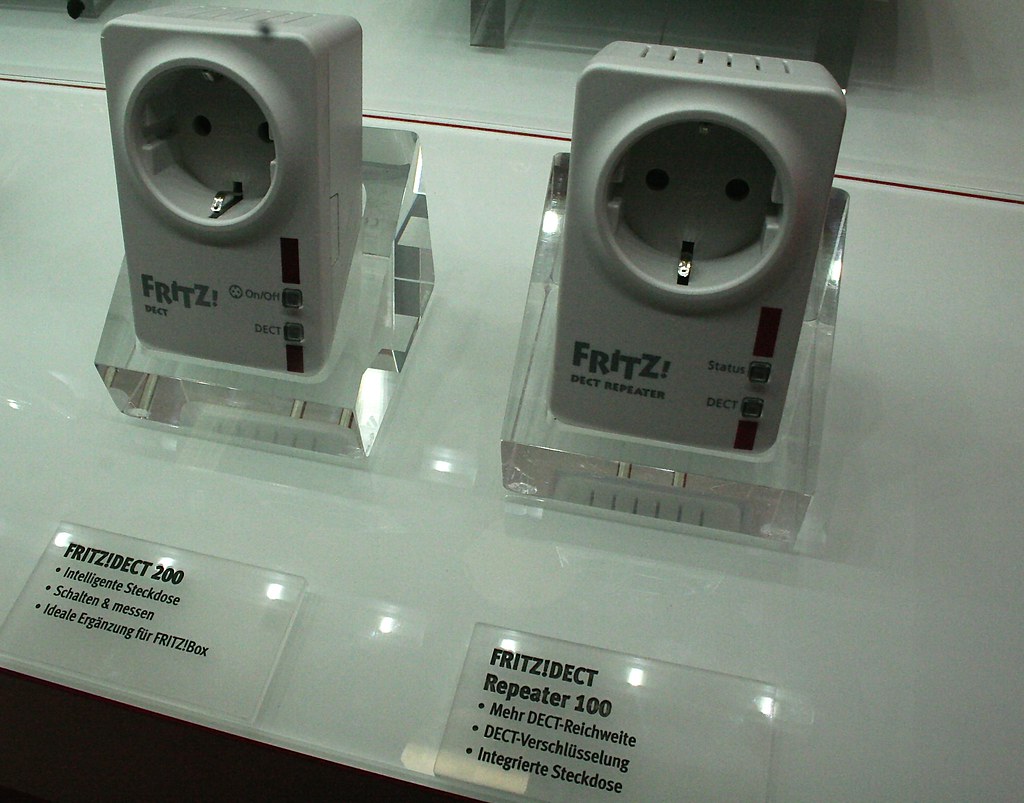
Smart Plug Energy Monitoring: Key Takeaways
- Smart plug energy monitoring reveals phantom loads that can cost $100-$200 annually per household.
- A $13-$25 smart plug energy monitoring device measures real-time wattage within 3-5% accuracy.
- Smart plug energy monitoring identified a freezer costing $15 monthly versus $4 after replacement.
- Whole-home monitors track all circuits but require electrical panel installation or professional help.
Phantom load, the electricity a device draws while switched “off” but still plugged in, is a real, quantifiable cost most households never measure directly, which is exactly why it’s easy to underestimate. A $13-to-$25 smart plug with built-in energy monitoring turns that invisible drain into an exact number, and the numbers are often larger than expected.
Table of Contents
The Real Cost of Phantom Load
The average US household wastes an estimated 5% to 10% of its total electricity bill on phantom loads, translating to roughly $100 to $200 a year in electricity paid for devices doing nothing useful. A typical home entertainment setup, TV, cable box, soundbar, game console, and a streaming device combined, continues drawing 30 to 50 watts even while “off” and idle, which at a typical rate of $0.13 per kilowatt-hour works out to $35 to $55 a year just for that one cluster of devices sitting unused.
What Smart Plug Monitoring Measures
Current budget smart plugs with built-in energy monitoring have become genuinely inexpensive and accurate enough to make this measurable rather than estimated. TP-Link’s Tapo P110 runs around $13 and delivers real-time wattage readings, daily and monthly consumption history, and estimated cost calculations. The Kasa KP115 runs $18 to $25 and provides similarly detailed real-time power draw, historical kWh data, and monthly usage reporting.
Independent testing has found most smart plug energy monitors accurate within 3% to 5% of a dedicated, standalone watt meter, with the Eve Energy and SwitchBot models tracking within 3% specifically, accuracy that’s genuinely sufficient for home budgeting and identifying phantom load sources, even if not laboratory-grade precision.
An Example of What This Uncovers
One documented case makes the practical value concrete: an old chest freezer sitting in a garage was found, via smart plug monitoring, to be drawing 3.2 kilowatt-hours per day, adding up to roughly $15 a month in electricity, a cost the owner had no visibility into before measuring it directly. Replacing that freezer with a newer, Energy Star-certified model cut the same appliance’s electricity cost to $4 a month, a savings substantial enough that the new freezer’s purchase price was fully recovered in about 18 months purely from the electricity savings.
That’s the specific kind of hidden, ongoing cost a smart plug’s monitoring feature is built to surface, an old, inefficient appliance quietly costing far more to run than its replacement would, information that’s invisible without directly measuring it.
Whole-Home Monitoring Is a Different, Bigger Step
For anyone wanting visibility beyond a handful of individual devices, whole-home energy monitors represent a meaningfully different approach worth knowing about separately from individual smart plugs. Devices like the Emporia Vue Gen 2 install directly at a home’s main electrical panel using clamp meters (CTs) attached to the panel’s wiring, tracking usage across every circuit in the house rather than one device at a time, though this generally requires either comfort with basic electrical work or a professional installer.
Sense, a comparable whole-home monitor, takes a different technical approach, using machine learning to identify individual device signatures from the aggregate power waveform at the main panel rather than requiring a monitor on every individual outlet, effectively naming specific devices automatically rather than only tracking named circuits the way Emporia’s approach does.
Some utility companies and local energy efficiency programs offer free or discounted whole-home energy monitors as part of broader efficiency incentive programs, similar in spirit to the smart thermostat rebate programs some utilities run; checking directly with a local utility before purchasing a whole-home monitor outright is worth doing, since a free or subsidized unit through a utility program, even if more basic than a premium paid model, can deliver much of the same core visibility at a fraction of the cost.
Setting Realistic Expectations
It’s worth being honest about scale here: cutting phantom loads from smaller electronics, chargers, small appliances, standby devices, generally adds up to a real but modest $30 to $50 a year across a typical household, not the kind of dramatic bill transformation more sensational headlines sometimes imply. The larger savings potential, like the chest freezer example above, comes specifically from identifying a single inefficient or failing appliance drawing meaningfully more power than it should, rather than from chasing every small standby load in the house.
Both are worth doing, but setting expectations correctly, modest incremental savings from many small sources plus occasional larger discoveries from specific problem appliances, keeps the investment in smart plugs and the time spent reviewing their data proportionate to the realistic payoff.
The Data Alone Doesn’t Save Anything
The single most important practical point about smart plug energy monitoring: the plug measures, but it doesn’t act on its own. Discovering that a specific device draws more power than expected only translates into savings if that information leads to an actual change, unplugging a genuine vampire load entirely, replacing an inefficient appliance, or setting an automated schedule to cut power to a device during hours it’s not needed.
A smart plug generating detailed reports that never get reviewed, or reports that get reviewed but never acted on, delivers the monitoring cost without any of the potential savings, which is worth remembering before assuming the mere presence of a monitoring smart plug is itself doing anything.
A Practical Approach
A few concrete steps worth following to get real value from this:
- Start with the biggest, oldest, or least-efficient-seeming appliances first, an old freezer, an aging window AC unit, older electronics, since that’s where the chest-freezer-style large discoveries are most likely to show up.
- Monitor an entertainment center or home office cluster as a group, since phantom load from multiple idle devices in one area compounds into a more meaningful number than any single device checked in isolation.
- Actually review the monthly reports the smart plug generates, rather than installing it once and never checking the data again, since the entire value proposition depends on that follow-through.
- Use the data to decide between three concrete actions: unplugging a device entirely when not in use, replacing a genuinely inefficient appliance, or scheduling automated power cutoffs for predictable idle periods, rather than treating the measurement itself as the finish line.
Choosing Between the Two Approaches
For most households, starting with a handful of $13-to-$25 smart plugs on suspected problem devices, an older appliance, an entertainment center, a home office setup, is the lower-cost, lower-effort entry point into this kind of monitoring, and it’s enough to catch both the small, cumulative phantom-load savings and the occasional large discovery like a failing appliance. Whole-home monitoring is worth the bigger investment specifically once that initial plug-level check has either confirmed a broader pattern worth investigating further, or when the goal shifts from spot-checking specific devices to understanding a home’s total electricity use across every circuit at once.
Neither approach replaces the other entirely; a few smart plugs on the most likely culprits is a reasonable starting point before committing to a whole-home system’s higher cost and installation complexity.
Sources: Aggregated 2026 smart plug and phantom load cost reporting from One Green Planet and Home Tech Tested, cross-checked across multiple sources.
Bottom Line
Smart plug energy monitoring exposes hidden costs but requires acting on the data to save money. Start by testing your oldest appliances and entertainment clusters with inexpensive smart plugs to find the largest savings opportunities.
Related Reading
- A Smart Thermostat Can Pay You $50 to $200 a Year Just for Letting Your Utility Nudge the Temperature. Most Owners Never Sign Up.
- Drinking a Liter of Water Can Change What Your Smart Scale Says About Your Body Fat. Here’s What These Numbers Actually Measure.
- Self-Monitoring Your Home Security System Saves $20 a Month. It Also Makes You the Backup Plan for Every Alarm, Forever.
Further reading: Smart plug (Wikipedia).
Photo credit: “smart plugs” by code of the new, licensed BY (https://creativecommons.org/licenses/by/2.0/). Source: https://www.flickr.com/photos/75654647@N05/15010960398