
Electronics Extended Warranty: Key Takeaways
- The median price of an electronics extended warranty matches the median out-of-pocket repair cost for laptops.
- Only 15% of PC laptop buyers and 7% of AppleCare buyers ever use their electronics extended warranty.
- Even when used, the electronics extended warranty often yields a net loss after accounting for its purchase price.
- Manufacturer warranties already cover the early high-risk period, leaving the electronics extended warranty to protect a low-risk interval.
Every checkout counter, every electronics purchase, every online cart has the same prompt waiting near the end: add a protection plan for a few dollars more. The pitch always sounds reasonable in isolation, a small amount now against a potentially large repair bill later. The actual numbers behind that pitch, once measured across large groups of real buyers, tell a much less favorable story for the buyer than the checkout screen implies.
Table of Contents
The Core Number: What Most Buyers Pay Out of Pocket
Consumer Reports’ laptop extended warranty survey found something worth sitting with directly: the median cost of an extended warranty or service contract is roughly the same as the median cost of paying for a single repair out of pocket, without any plan at all. For PC laptop owners, the median out-of-pocket repair cost was $118, just $3 more than the median cost of extended coverage.
For Apple laptop owners, the math flips in the buyer’s disfavor entirely: the median out-of-pocket repair cost was $165, actually less than the $177 median cost of an AppleCare plan. In both cases, the “protection” being sold costs about what the thing it protects against costs anyway.
How Rarely the Plan Actually Gets Used
The usage numbers explain why the pricing works out this way for the companies selling these plans. Among PC laptop owners who bought extra coverage, only 15% ever used it to pay for a repair. Among Apple laptop owners with AppleCare, that figure drops to just 7%. A broader 2025-2026 survey of extended-warranty buyers found 55% never filed a single claim over the entire life of the policy, across product categories generally, not just laptops.
The plan is, for the large majority of buyers in every one of these datasets, a bet that never pays out, by design rather than by accident.
When the Plan Does Pay Out, the Numbers Still Aren’t Great
Even among buyers who did use their coverage, the outcome wasn’t a clean win. One recent survey found the median out-of-pocket savings on a covered repair was $837, against a median plan purchase price of $1,214, a net loss of roughly $375 even in the cases where the warranty actually did what it was sold to do.
That’s a real, counterintuitive finding: using the coverage as intended still often costs the buyer more than the repair alone would have, once the plan’s own price is factored back in.
Why Manufacturer Warranties Already Cover the Riskiest Period
Consumer Reports’ underlying laptop data points to a specific reason these numbers work out this way: most repairs happen while a device is still covered by its original factory warranty, not after it expires into the window an extended plan is sold to cover. Electronics failure rates generally follow what’s known in reliability engineering as a “bathtub curve,” high failure risk early from manufacturing defects, a long low-risk middle period, then rising risk again as a device genuinely ages.
Standard manufacturer warranties, typically one year, are timed to cover a meaningful chunk of that early failure-prone period already. An extended warranty is, in large part, selling coverage for the flattest, lowest-risk section of that curve, which is exactly why so few buyers ever end up needing it.
Where the Math Genuinely Changes
None of this means every protection plan is a bad deal in every case, and it’s worth being specific about the real exceptions rather than treating this as a blanket rule:
- Small, portable, frequently-dropped items like smartphones are the category Consumer Reports itself flags as the exception worth considering, since screen and water damage rates run meaningfully higher than a laptop’s typical failure mode, and a cracked-screen repair can cost a genuinely large fraction of the device’s total value.
- A device with an unusually expensive single point of failure (an OLED TV panel, a high-end camera’s sensor) can justify coverage specifically because the worst-case repair cost is disproportionate to the plan’s price, even if the odds of needing it stay low.
- A retailer-specific plan with a strong no-questions-asked replacement policy, rather than a repair-and-diagnose process, can be worth the premium purely for the time saved, separate from the strict dollar math, if a broken device genuinely can’t be without a replacement for days or weeks.
- A plan bundled at a steep discount as part of a larger purchase, rather than sold as a separate line item at near-full markup, changes the math meaningfully; the numbers above assume a plan priced at or near what retailers typically charge for one bought independently.
Why Retailers Push These So Hard
It’s worth understanding the incentive structure behind the checkout-counter pitch, since it explains why extended warranties get pushed so consistently across nearly every electronics purchase. Extended warranties and protection plans are widely reported across the retail industry as carrying some of the highest profit margins of any product a store sells, often estimated well above the margin on the electronics themselves.
That’s a direct, structural reason staff are trained to offer them on every transaction regardless of the specific item: the plan itself, not the device, is frequently the more profitable half of the sale from the retailer’s side of the register.
None of that makes a given plan automatically worthless, but it’s a useful lens for weighing an enthusiastic in-store pitch against the actual usage and payout data above.
How to Self-Insure Instead
Skipping the plan doesn’t have to mean taking on open-ended risk with no plan at all. A practical alternative several of the sourced findings above point toward:
- Set aside roughly what the plan would have cost, in a specific account or fund earmarked for repairs, rather than spending that amount on a plan that a large majority of buyers, per the data above, never end up using.
- Check what protection is already included for free, since many credit cards extend a manufacturer’s warranty automatically or cover accidental damage on purchases made with that card, coverage that can overlap significantly with what a paid plan offers at zero additional cost.
- Prioritize the self-insurance approach specifically for low-risk categories like standard laptops, TVs, and major appliances, where the data shows the median plan cost already roughly equals the median repair cost, meaning the self-insured buyer comes out ahead in the majority of cases where no repair is ever needed at all.
- Reserve actual plan purchases for the narrow exceptions above (fragile portable devices, high single-point-of-failure-cost items, steeply discounted bundles), rather than defaulting to “yes” at every checkout prompt regardless of category.
The Denial-Rate Problem Worth Knowing About Too
Beyond the base odds of ever using a plan, it’s worth knowing that even a legitimate claim isn’t guaranteed to be honored cleanly. Denial rates due to coverage misunderstandings, disputes over what specifically counts as accidental versus normal wear, or exclusions buried in the contract’s fine print, run meaningfully high across the extended warranty industry broadly.
That’s a real, separate risk on top of the low odds of needing to file a claim at all: even the minority of buyers who do experience a covered failure aren’t guaranteed a smooth, fully-covered outcome once they actually try to use the plan they paid for.
The Bottom Line
The extended warranty pitch works because it’s framed entirely around a rare worst-case scenario, without mentioning that the median outcome, across large real-world datasets, is a plan that costs about what the repair itself would have cost, used by only a small minority of buyers, and even then, sometimes at a net loss once the plan’s price is subtracted back out.
For a standard laptop, TV, or major appliance, skipping the extended plan and self-insuring, setting aside the money that would have gone toward the premium, comes out ahead for most buyers based on these numbers. The genuine exceptions are narrow: fragile, frequently-carried devices, unusually expensive single points of failure, or a steeply discounted bundle rather than a full-price add-on.
Sources: Consumer Reports’ laptop computer extended warranty survey data, cross-checked against the 2025-2026 ConsumerAffairs extended-warranty ownership and claims survey.
Bottom Line
Consider setting aside the plan cost in a dedicated repair fund and review any credit-card warranty extensions before purchasing an electronics extended warranty. This self-insurance approach aligns with the data showing most buyers do not use the coverage.
Related Reading
- Where to Actually Sell Used Electronics for the Most Money in 2026
- Graphics Cards Are the Worst-Hit Casualty of the Memory Shortage. Here’s the Real Damage.
- Foldable Phones Finally Fixed Their Durability Problem. Here’s What Actually Changed.
Further reading: Extended warranty (Wikipedia).
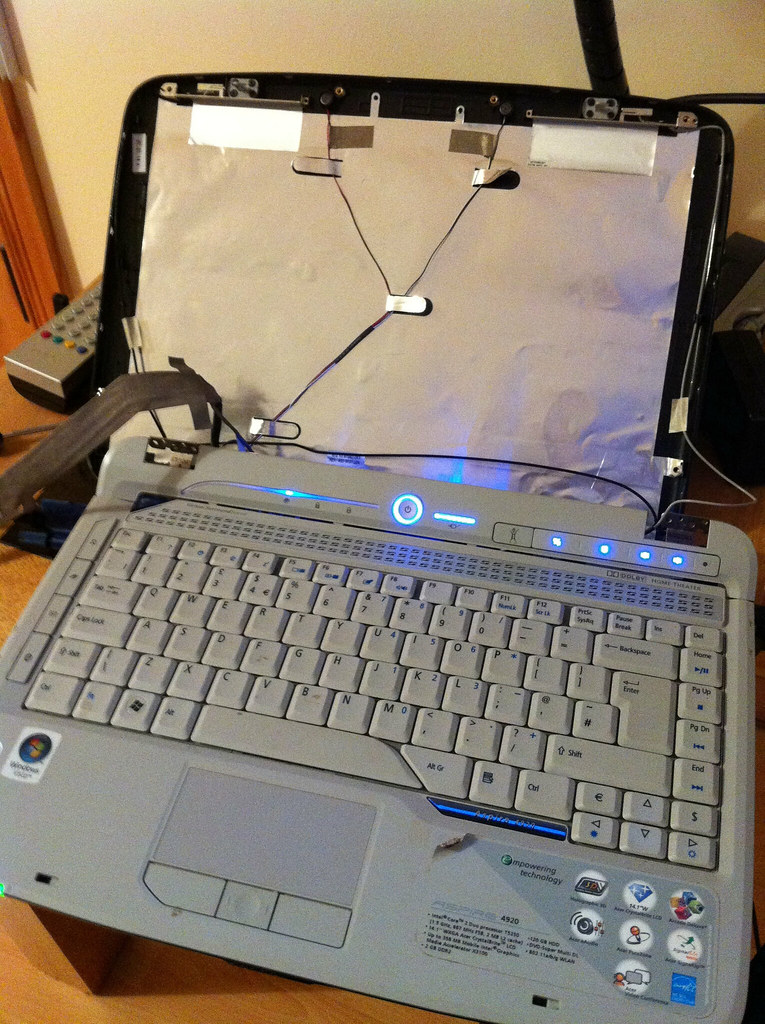
Photo credit: “Laptop Repair” by Sean MacEntee, licensed BY (https://creativecommons.org/licenses/by/2.0/). Source: https://www.flickr.com/photos/18090920@N07/5916575443