
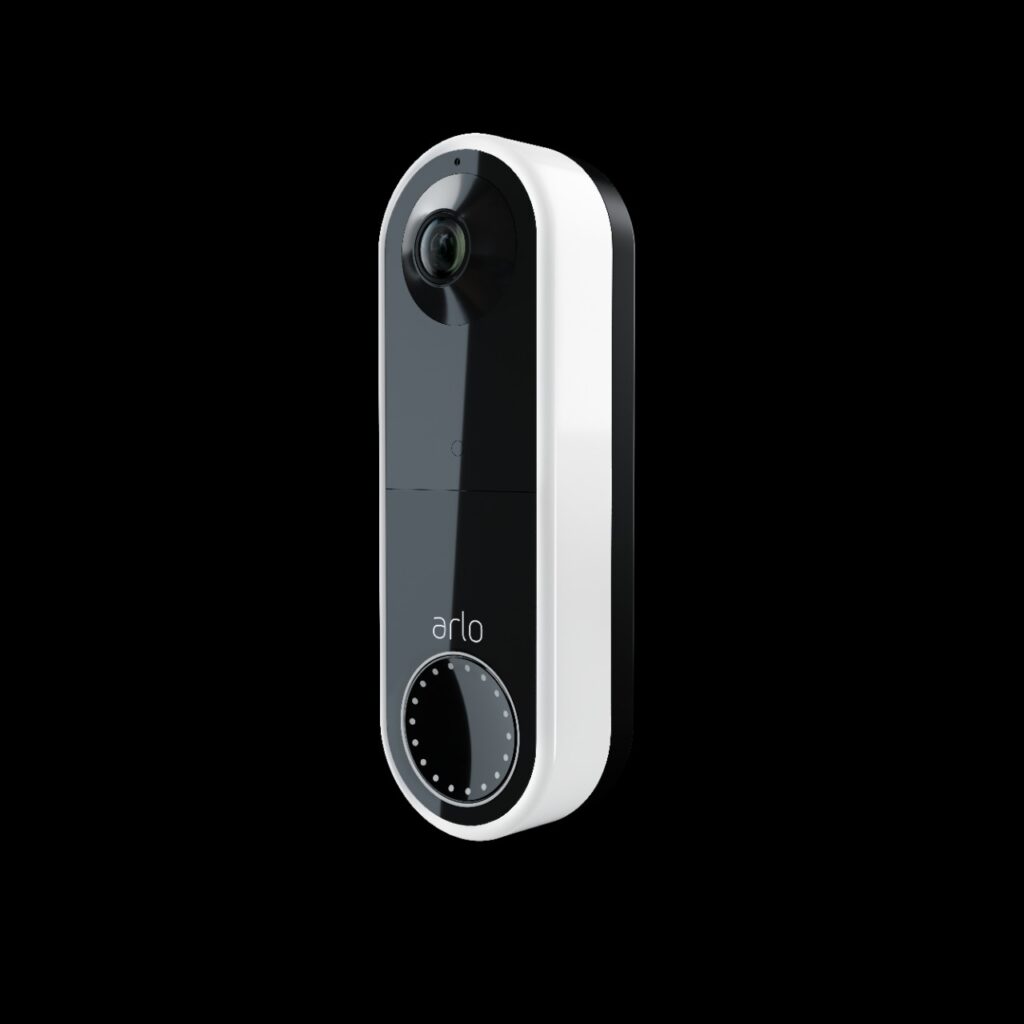
A doorbell camera’s sticker price is rarely the real cost, and the gap between the two has become large enough to genuinely change which model is the better buy. A Ring Video Doorbell 4 costs $200 upfront, then $180 to $720 more over three years depending on the subscription tier chosen, a real total of $380 to $920 for hardware most people assume was a one-time purchase. Five current models skip that structure entirely, and it’s worth knowing exactly what each one costs and what gets traded away to get there.
The Full Three-Year Cost, Compared Directly
The subscription-dependent side of this comparison is worth stating in full before looking at the alternatives. A Ring Video Doorbell 4 runs $380 to $920 total over three years once subscriptions are factored in. A Google Nest Doorbell runs $468 to $720 over the same period. An Arlo Essential comes to $438 to $798. Those aren’t worst-case estimates; they’re the real range once a $5-to-$10-a-month subscription, the going rate for cloud video storage and smart detection features across these brands, is added to the hardware cost across 36 months of ownership.
Against that, five current no-subscription models: the Abode Cam 2 at $35, offering free 3-day rolling cloud storage plus local storage with no fee ever added. The Amcrest AD410 at $90, storing to a microSD card or a NAS device. The Reolink Video Doorbell WiFi at $100, also microSD-plus-NVR storage. The Aqara Video Doorbell G4 at $120, working through Apple’s HomeKit Secure Video for iCloud storage plus local storage, genuinely subscription-free specifically because Apple’s own iCloud storage tiers cover it rather than a separate camera-specific fee. The eufy Video Doorbell E340 at $180, local storage only, no cloud option at all. In every case, that listed price is the complete three-year cost, not a starting point with recurring fees layered on afterward.
Why the No-Subscription Models Cost What They Cost
It’s worth understanding the real mechanism behind this price gap rather than treating it as one brand being generous and another being greedy. Subscription-based doorbell cameras are typically priced lower upfront specifically because the ongoing subscription is where the company recovers cloud storage costs and turns a long-term profit, a pricing structure closer to a razor-and-blades model than a traditional appliance sale. No-subscription models generally price the hardware to cover the company’s full margin at the point of sale, since there’s no recurring revenue stream to subsidize a lower entry price. That’s why the no-subscription options in this comparison skew toward local or already-included storage (a microSD card, a NAS device, or storage space you’re already paying for through an existing Apple iCloud plan) rather than a company-run cloud service that would itself cost something to maintain indefinitely.
What You’re Trading Away
None of this is a free lunch, and it’s worth being direct about the real tradeoffs rather than presenting these five models as strictly better in every respect. Local storage, the approach used by the Amcrest, Reolink, and eufy models, means footage lives on a physical card or drive at the property itself, which is vulnerable to theft or damage in a way cloud storage isn’t; if someone steals the camera or the storage device along with it, that local footage can be gone. It also generally means no off-site backup unless you specifically set one up yourself, and no remote access to historical footage from outside your home network without additional setup. Subscription-based cloud storage, whatever its ongoing cost, solves both of those problems by design, keeping footage accessible and backed up somewhere the camera itself being stolen or destroyed doesn’t affect.
Feature-wise, subscription tiers on Ring, Nest, and Arlo typically unlock smarter detection: distinguishing a package delivery from a person from a vehicle, longer video history windows, and richer notification customization. The no-subscription models here generally offer more basic motion detection without that same level of AI-driven classification, a real capability gap that matters more if you specifically want to filter out car headlights and tree branches from triggering constant false alerts.
Matching the Choice to What You Need
A few honest scenarios worth applying to this decision rather than assuming one universal right answer:
- If remote access and off-site backup matter more than saving money, a subscription model’s cloud storage genuinely solves a problem local storage doesn’t, and the ongoing fee is buying real, specific functionality rather than just being a tax on the hardware.
- If the camera’s main job is a basic “who’s at the door” alert with occasional footage review, the no-subscription models cover that core use case completely, and the smarter detection features on a subscription tier are solving a problem that may not exist for your actual usage pattern.
- If you’re already invested in Apple’s ecosystem and pay for iCloud storage, the Aqara G4 is worth specific attention, since it’s routing storage through a service you may already be paying for anyway, effectively making the “no additional subscription” claim genuinely free rather than just deferred to a different bill.
- If local footage security matters, given a thief could plausibly take a local-storage camera along with whatever else they’re stealing, placement matters more for these models specifically: mounting the camera itself in a way that’s harder to grab quickly is a more meaningful mitigation here than it would be for a cloud-backed camera where the footage survives even if the hardware doesn’t.
The Privacy Angle Beyond the Price Tag
Cost isn’t the only reason to weigh these two categories differently. Privacy advocates have specifically raised concerns about facial recognition software built into some subscription-tier doorbell camera features, the same smart-detection systems that distinguish a person from a package are, in some implementations, capable of a level of biometric-adjacent recognition that goes beyond simple motion detection. A local-storage, no-subscription camera generally isn’t running that same cloud-based analysis pipeline at all, since there’s no subscription-funded backend processing footage the way a cloud-connected system does. That’s a genuine, separate reason some buyers choose the no-subscription route specifically, independent of the cost savings: less of your daily footage is being processed by a third-party company’s servers in the first place, simply because there’s no ongoing service relationship requiring that processing to happen.
The Real Number Worth Remembering
The headline comparison, $35 to $180 total for the no-subscription options against $380 to $920 for the subscription-dependent brands, is the single number worth carrying into this decision. It doesn’t mean the cheaper option is automatically right for every household; the feature and reliability tradeoffs above are real and worth weighing against your specific situation. But it does mean the sticker price on a subscription-based doorbell camera was never the actual cost of ownership, and comparing that sticker price directly against a no-subscription model’s total price was never a fair comparison to begin with.
If a doorbell camera purchase is already on your list, running the same three-year math done here against whatever specific model you’re actually considering, hardware cost plus whatever subscription tier its advertised features actually require, is worth five minutes before checkout. A brand’s marketing page will lead with the lower upfront number every time; the real total only shows up once the subscription page is checked separately, which is exactly the step this comparison exists to save you.
*Sources: Abode’s 2026 no-subscription doorbell camera comparison and cost breakdown, cross-checked against Security.org and Consumer Reports 2026 doorbell camera testing.*
Photo credit: “Wireless Arlo video doorbell” by Salari/Verisure, licensed BY-SA. Source: https://upload.wikimedia.org/wikipedia/commons/8/8e/Wireless_Arlo_video_doorbell.jpg