
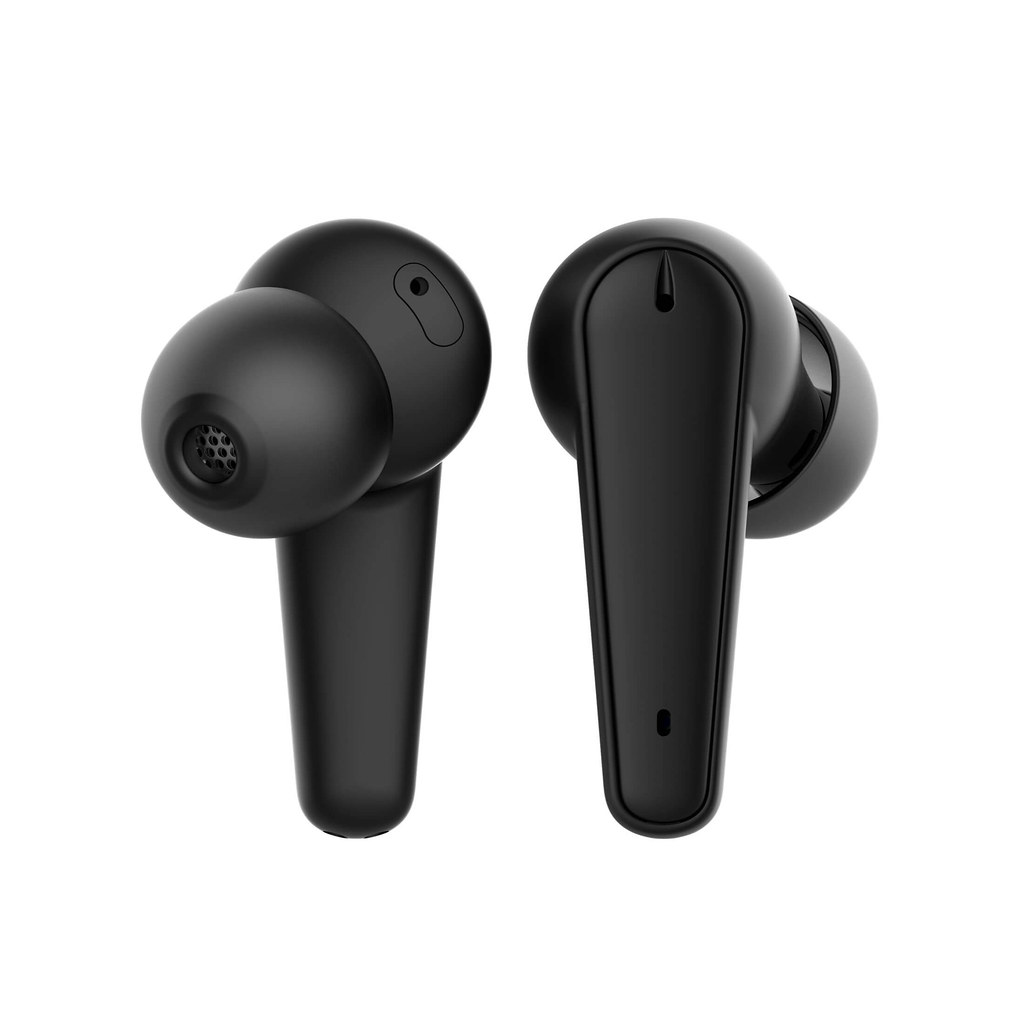
Hearing aids have historically meant a professional fitting, a prescription, and a bill that averages $4,600 for a pair once the device, fitting, and follow-up appointments are bundled together. In September 2024, the FDA authorized something genuinely new: software that turns Apple’s AirPods Pro 2 into a real, regulated over-the-counter hearing aid, clinically tested against professional devices and cleared for adults with mild to moderate hearing loss.
Table of Contents
The earbuds cost $249. It’s worth understanding exactly what that clearance means, and doesn’t mean, before treating it as a blanket replacement for a hearing aid.
What the FDA Authorization Covers
The FDA’s authorization covers a specific software feature, marketed as the Hearing Aid Feature, that runs on compatible AirPods Pro 2 hardware. This wasn’t a marketing claim Apple made unilaterally; it went through the FDA’s formal de novo review pathway, the same category of regulatory scrutiny that applies to new types of medical devices without an existing product classification to compare against.
The clearance is specifically for adults 18 and older with self-perceived mild to moderate hearing loss, not a general-purpose hearing enhancement claim for any age or severity level.
The Clinical Testing Behind the Claim
The FDA’s review included a clinical study of 118 adults with mild to moderate hearing loss, tested across multiple U.S. sites, comparing outcomes with the AirPods Pro 2 Hearing Aid Feature against professionally fitted hearing aids. The result the FDA cited: similar benefit levels between the two, a real clinical finding rather than an assumption based on the hardware’s general audio capabilities.
That’s a meaningfully different bar than most consumer electronics claims clear, and it’s the specific reason this authorization carries more weight than an app or accessory simply calling itself hearing-aid-adjacent.
The Real Cost Comparison
Here’s the number worth sitting with directly: average prescription hearing aids run about $4,600 in the U.S., with a typical bundled pair costing $2,500 to $6,000 once fitting, follow-up visits, and adjustments are included. Broader OTC hearing aids as a category average $502 per pair, ranging roughly $200 to $2,500, with most full-featured self-fitting devices landing in the $800 to $1,500 range.
AirPods Pro 2 retail at $249, meaning the FDA-cleared hearing aid feature runs on hardware that costs roughly eighteen times less than the average prescription alternative, and meaningfully less than most OTC hearing aids built specifically for the purpose.
What You Give Up Compared to a Purpose-Built Hearing Aid
None of this means AirPods Pro 2 is a strictly better option in every case, and it’s worth being direct about the tradeoffs rather than treating the price gap as the whole story. Purpose-built hearing aids, prescription or OTC, are generally designed with longer daily battery life, more sophisticated feedback cancellation across a wider range of hearing loss severities, and physical form factors built around all-day wear rather than a consumer earbud’s typical use pattern.
AirPods Pro 2 is cleared specifically for mild to moderate hearing loss; anyone with a more severe loss falls outside the scope of what this clearance covers and needs a professionally fitted device regardless of cost. The clearance also doesn’t include an audiologist’s diagnostic assessment, which can catch underlying medical causes of hearing loss that a self-administered hearing test built into a phone app isn’t designed to identify.
The Separate Hearing Protection Feature Worth Knowing About
Apple has also built a related but distinct feature called Loud Sound Reduction into AirPods, which dampens environmental noise levels in real time rather than amplifying sound the way the Hearing Aid Feature does. It’s worth not conflating the two: one protects hearing from loud environments, functioning similarly to sophisticated earplugs that still let wanted sounds through, while the other amplifies sound for someone who already has diagnosed or self-perceived hearing loss.
Both are genuinely useful, but they solve different problems, and a buyer specifically interested in the hearing aid clearance should confirm they’re looking at the right feature rather than assuming general noise-related marketing covers the FDA-cleared functionality.
How Other OTC Hearing Aid Brands Compare
AirPods Pro 2 isn’t the only OTC option, and the rest of the category is worth knowing about for anyone comparing prices directly. Jabra Enhance’s Select 300 runs $1,695 per pair as the category’s higher-end pick. Eargo’s invisible in-canal Eargo 8 runs around $2,699, though its parent company began winding down U.S. operations in mid-2026, a real reason to be cautious about warranty and support if considering it.
Sony’s CRE series priced its models between roughly $999 and $1,300 before discontinuing the entire lineup in April 2026, meaning any remaining stock is clearance inventory with no future models coming behind it.
Budget entrants like the Lexie B2 and Audien Atom Pro 2 undercut even AirPods Pro 2 on sticker price in some configurations, but neither carries the same FDA clinical-study backing described above, nor Apple’s existing software and hardware ecosystem. Against that full field, AirPods Pro 2’s $249 price and clinical validation is a genuinely competitive combination, not just cheap relative to prescription devices specifically.
Who This Is a Good Fit For
A few honest scenarios worth applying rather than treating this as a universal recommendation:
- If you suspect mild to moderate hearing loss and haven’t sought treatment because of cost, this is a genuinely lower-barrier entry point, backed by real clinical testing rather than just consumer marketing, worth trying before assuming a full prescription hearing aid is the only path.
- If you already own AirPods Pro 2 for regular use, the software feature adds hearing aid functionality to hardware you already have, which is a different value proposition than buying new hardware specifically for hearing purposes.
- If hearing loss is more than mild to moderate, or hasn’t been evaluated by a professional at all, an audiologist visit is still the right first step; self-diagnosing severity level through a phone-based hearing test risks missing something a clinical exam would catch.
- If all-day battery life and dedicated hearing-aid ergonomics matter more than cost, a purpose-built OTC or prescription hearing aid remains the better fit, even at a higher price, since AirPods Pro 2’s battery life and form factor were designed around general audio use, not all-day amplification.
The Bigger Shift This Represents
Beyond the specific product, this authorization is a real signal about where OTC hearing aid regulation is heading. The FDA’s 2022 rule change that created the OTC hearing aid category in the first place was built around exactly this kind of outcome: lowering the cost and access barrier for adults with mild to moderate hearing loss who were previously priced out or discouraged by the traditional prescription process.
Apple’s clearance is the most visible example so far of consumer electronics hardware clearing that same regulatory bar as dedicated medical devices, and it’s a reasonable bet that it won’t be the last mainstream audio product to pursue the same path, given the clear cost and adoption advantage a $249 device with an existing installed base has over a category still working to build consumer trust from scratch.
The practical takeaway is simple even with all the caveats: for the specific population this clearance covers, mild to moderate hearing loss in an adult who already values what AirPods Pro 2 offers as consumer earbuds, this is a real, FDA-tested option at a fraction of the traditional cost, not a marketing claim to be taken at face value without the clinical backing that’s actually there.
Sources: FDA’s official press announcement on the Hearing Aid Feature authorization and clinical study summary, cross-checked against National Hearing Institute’s and Harvard Health’s 2026 hearing aid cost reporting.
Related Reading
- ANC Earbuds Don’t Block What You Think They Block
- Valve Just Raised Steam Deck Prices 43%. Here’s Why, and What to Do About It.
- The Refurbished Phone Grade Isn’t the Number That Matters Most
Further reading: FDA: hearing aids.
Photo credit: “Fairphone+True+Wireless+Earbuds+_+front+and+back” by Fairphone, licensed BY-SA (https://creativecommons.org/licenses/by-sa/2.0/). Source: https://www.flickr.com/photos/60295192@N08/51549857553