3d Printer: Key Takeaways
- Choosing between FDM and resin technology matters more than brand when buying a 3D printer for the first time.
- Entry-level FDM 3D printer models like the Creality Ender 3 V3 SE start around $179 while Bambu Lab A1 Mini offers reliability near $219.
- Resin 3D printer use demands a dedicated non-living workspace with ventilation and mandatory PPE due to toxic uncured resin and sensitization risks.
- Starting with an FDM printer provides a lower-risk entry given lower cost, safety overhead, and broader functional utility for beginners.
Getting into 3D printing in 2026 has gotten genuinely affordable, a solid first printer runs $200 to $300, but the more consequential decision isn’t which specific model to buy, it’s choosing between the two fundamentally different printing technologies, FDM and resin, before comparing brands at all. That choice affects not just print quality and cost, but real, physical safety requirements for the space a printer actually lives in.
Table of Contents
The Budget FDM Options Worth Knowing
FDM (fused deposition modeling) printers, which build objects by extruding melted plastic filament layer by layer, dominate the entry-level price tier. The Creality Ender 3 V3 SE runs around $179 to $199, widely regarded as the cheapest genuinely viable entry point into modern FDM printing. The Bambu Lab A1 Mini carries an MSRP of $299, frequently discounted to $219 to $249, and is commonly recommended as the best overall choice for beginners and family environments specifically because its reliability means less time troubleshooting and more time actually printing.
For a step up in capability, Creality’s K1C at $399 offers an enclosed chamber and hardened nozzle, genuinely strong hardware value for the price, appealing specifically to buyers who enjoy the more hands-on, tinkering side of the hobby rather than wanting a fully hands-off appliance-like experience.
Bambu Lab vs. Creality: The Real Tradeoff
The two dominant brands at this price tier represent a real, different philosophy rather than simply competing on spec sheets. Bambu Lab is generally the stronger recommendation for most buyers in 2026, prioritizing reliability and a more polished, less fiddly experience out of the box.
Creality remains the better choice specifically for budget-conscious buyers who enjoy the more hands-on side of 3D printing, tuning settings, troubleshooting, and generally engaging more directly with the machine’s mechanics, an experience some hobbyists genuinely prefer over a more automated, appliance-like printer.
Why Resin Printing Is a Fundamentally Different Commitment
This is the decision that matters more than brand comparisons: resin printers, which cure liquid photopolymer resin layer by layer using UV light, produce noticeably finer detail than FDM, making them the clear choice for miniature painters and other detail-focused makers, the Elegoo Saturn 4 Ultra being a commonly recommended option in this category. But resin printing carries meaningfully more serious safety requirements than FDM. Uncured liquid resin is genuinely toxic, a severe skin and respiratory irritant requiring mandatory PPE, nitrile gloves and safety glasses at minimum, every time it’s handled.
Resin also causes skin sensitization with repeated exposure: once sensitized, even brief future contact can trigger allergic reactions, a permanent, cumulative effect rather than something that resolves with better technique over time. Resin printing genuinely requires a dedicated, non-living workspace, not a hobby corner of a shared living room or bedroom, and a well-ventilated area or dedicated exhaust system given the strength of the resin’s volatile organic compound emissions.
FDM Isn’t Fume-Free Either, Just a Different Risk Profile
It’s worth being fair to FDM here too rather than treating it as risk-free by comparison: all FDM printing produces ultrafine particles and volatile organic compounds when filament is heated, though the actual risk level varies significantly by the specific material used. PLA, the most common and beginner-friendly filament, produces meaningfully fewer particles than other options. ABS filament, by contrast, produces ultrafine particle emission rates nearly ten times higher than PLA, a real, material-specific difference worth knowing when choosing what to print with, not just which printer to buy.
FDM’s fumes are a real consideration, just a meaningfully lower-intensity one than resin’s, and the ventilation solution differs by printing type too: generic advice lumping FDM and resin fumes together under a single “just add a HEPA filter” recommendation doesn’t actually address either technology’s specific emission profile correctly.
The Ongoing Costs Beyond the Printer Itself
The printer’s purchase price is only part of the real total cost, and the ongoing material and consumable expenses differ meaningfully between FDM and resin. Standard PLA filament, the most common beginner FDM material, runs roughly $15 to $30 per kilogram, with PETG and ABS running $20 to $35 and specialty materials like nylon or flexible TPU running higher still. Resin runs $25 to $50 per liter for standard formulations, with tougher engineering resins reaching $50 to $80 per liter.
Resin printing carries additional required equipment beyond the printer and material themselves: a wash-and-cure station, needed to clean and fully harden finished prints, runs $80 to $200 depending on size and capability, plus ongoing consumables like isopropyl alcohol for cleaning (roughly $15 to $25 per gallon, typically needing replacement every 20 to 40 print sessions) and periodic replacement of the printer’s FEP film.
Altogether, a realistic monthly consumables budget for an active hobbyist runs roughly $30 to $80 depending on print volume, a real ongoing cost worth factoring in alongside the printer’s upfront price, particularly for resin printing’s additional wash-and-cure equipment requirement that FDM simply doesn’t have.
Matching the Technology to Your Actual Space and Goals
A few honest questions worth answering before choosing between FDM and resin, or a specific model within either category:
- Do you have a dedicated, non-living workspace with real ventilation, a garage, workshop, or similarly separated area? If not, resin printing’s safety requirements are a genuine mismatch for a shared living space, regardless of how appealing its detail quality is for a specific project.
- Is fine detail, miniatures, or highly precise small-scale work the actual goal? If so, resin’s quality advantage is real and substantial, but only worth pursuing alongside a genuine commitment to the PPE and ventilation requirements described above, not as an afterthought.
- Is general-purpose printing, functional parts, larger objects, or beginner learning the priority? FDM covers that use case well at a lower cost and meaningfully lower safety overhead, making it the more practical starting point for most first-time buyers.
- Do you want a more hands-off, reliable experience or do you enjoy tinkering with the machine itself? This is the real differentiator between Bambu Lab and Creality specifically, more than any single spec, and it’s worth being honest about which experience actually appeals before choosing a brand.
Starting Simple Is a Reasonable Default
For anyone genuinely undecided between the two technologies, starting with an FDM printer is the lower-risk, lower-commitment entry point into the hobby generally, given its meaningfully lower cost, lower safety overhead, and broader general-purpose usefulness for functional parts and everyday printing needs. Resin printing’s real detail advantage is worth pursuing specifically once a clear, detail-dependent use case, miniature painting being the most common example, justifies taking on its added cost, space, and safety requirements deliberately, rather than defaulting to it simply because its print quality looks more impressive in comparison photos online.
A $200 FDM printer that gets used regularly is a better outcome than a $400 resin setup that ends up under-used because its safety and workspace requirements didn’t fit the buyer’s actual living situation.
Sources: Aggregated 2026 3D printer buying guide reporting from TechRadar, Tom’s Hardware, and 3DPrinting.com, cross-checked against Elegoo’s and Snapmaker’s own 3D printing safety documentation.
Bottom Line
Assess your workspace and safety capacity before selecting a 3D printer technology, as resin requires dedicated ventilation and PPE while FDM suits shared spaces. If unsure, start with an affordable FDM model like the Bambu Lab A1 Mini to learn basics before committing to resin’s higher demands.
Related Reading
- The Cheapest Tablet Isn’t the One With the Lowest Price. It’s the One That Still Gets Updates in Four Years.
- Wire-Free Robot Mowers Don’t Need a Buried Cable. They Still Need to Match Your Yard.
- Building a Smart Home That Doesn’t Report Back to Amazon
Further reading: 3D printing (Wikipedia).
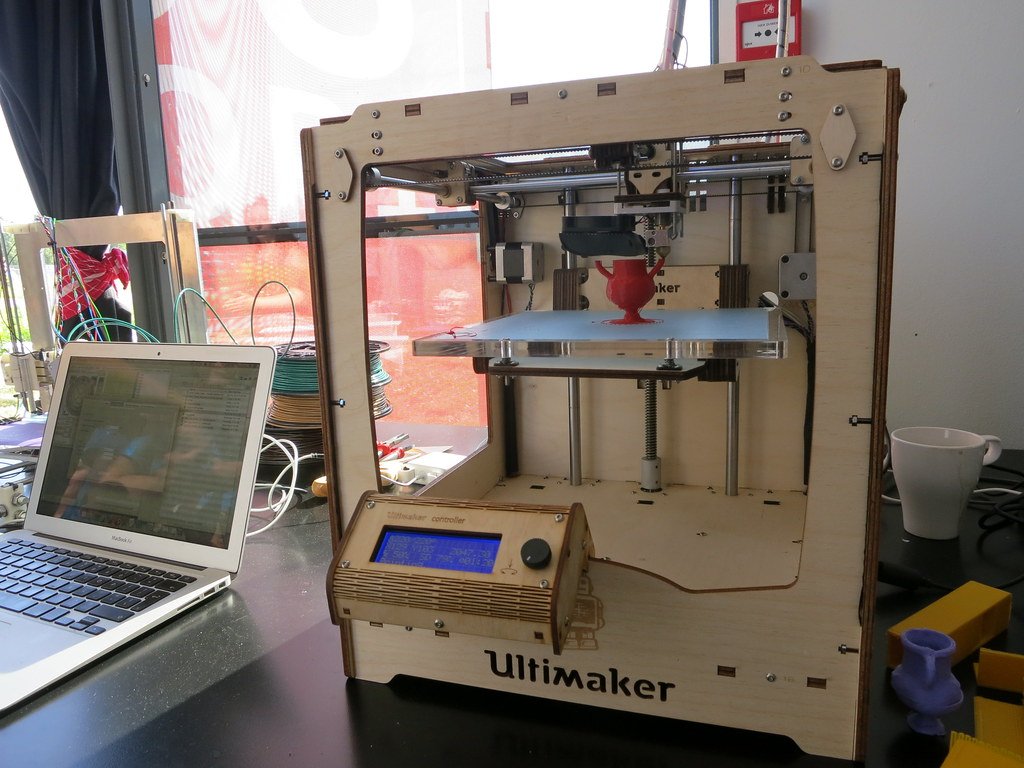
Photo credit: “3D Printer Ultimaker” by Gastev, licensed CC BY 2.0 (https://creativecommons.org/licenses/by/2.0/). Source: https://www.flickr.com/photos/12148520@N00/9319065887