Sous Vide Machine: Key Takeaways
- A sous vide machine holds water at a precise temperature so food cannot overcook past that point.
- Higher wattage on a sous vide machine only shortens heat-up time, not the final cooking quality.
- Check the clamp range of a sous vide machine against your pots to avoid fit problems.
- Using the water-displacement method with zip-top bags works well for most everyday cooking.
The core promise of sous vide cooking is simple and genuinely reliable: an immersion circulator heats a water bath to an exact, precisely held temperature, and food sealed in a bag cooks in that water until it reaches that same temperature throughout, then simply can’t go past it.
Table of Contents
A steak cooked sous vide to 130°F cannot overcook past 130°F no matter how long it stays in the bath within a reasonable range, which is the entire appeal for anyone who has ever pulled a steak or chicken breast off heat a few minutes too late.
What an Immersion Circulator Actually Is
A sous vide device, most commonly a wand-style immersion circulator, clips onto the side of any pot, heats the water inside to a set temperature, and continuously circulates it to keep that temperature perfectly even throughout the container. This is different from a sous vide “cooker” with a built-in water container, which is more self-contained but less flexible about container size and generally costs more for the added convenience.
Wattage Determines Heat-Up Speed, Not Final Quality
A circulator’s wattage affects how quickly it brings a full pot of water up to the target temperature, with higher-wattage units heating faster, which matters more for a large volume of water or a impatient cook wanting to start sooner. It has essentially no effect on the final quality of the cooked food, since once the water reaches the set temperature, a higher-wattage unit and a lower-wattage unit hold that same temperature equally precisely.
Buying based on wattage is a convenience decision about wait time, not a quality decision.
Clamp Design and Pot Compatibility
Every circulator clips onto a pot via some kind of clamp, and clamp designs vary in how wide a pot rim they accommodate, an easy detail to overlook until a favorite stockpot doesn’t fit the clamp bought for it. Checking a specific circulator’s clamp range against the pots already owned, rather than assuming universal fit, avoids the common frustration of a circulator that only works with one specific pot in the kitchen.
App Connectivity: A Real Convenience, Not a Necessity
Many circulators pair with a smartphone app for remote temperature monitoring, timer alerts, and built-in recipe guides with pre-set times and temperatures for common foods. This is genuinely useful for beginners still learning target temperatures for different foods, and for starting or checking a long cook remotely. It adds no cooking capability a circulator without app support lacks, since the actual cooking function is identical; it’s purely an interface and convenience layer on top of the same core technology.
The Sealing Method Matters More Than the Circulator Itself
Getting good sous vide results depends heavily on how food is sealed before going into the water bath. A dedicated vacuum sealer removes air completely and gives the most consistent, longest-lasting seal, but is a separate purchase and adds real counter space and cost. The water displacement method, using a regular zip-top bag slowly lowered into water to push air out before sealing, works well for most everyday sous vide cooking at no extra cost, and is the practical default for anyone not cooking sous vide often enough to justify a dedicated vacuum sealer.
The Real Time Investment Sous Vide Requires
Sous vide cooking times run meaningfully longer than conventional methods for the same food, commonly an hour or more even for something like a steak, since the water bath heats food more gently than direct heat. This isn’t a flaw so much as a genuinely different cooking approach that trades active cooking time for passive, hands-off time and near-foolproof doneness. Anyone expecting sous vide to be a faster cooking method than conventional searing or roasting is buying it for the wrong reason.
Food Safety Deserves Real Attention
Sous vide cooks at lower temperatures than conventional methods, so safety depends on holding food at temperature for long enough, not just reaching it. Lower temperatures need much longer holds to reach the same safety margin as a hotter, shorter cook, and the USDA publishes time-and-temperature pasteurization tables for exactly this reason.
The FDA Food Code also treats roughly 41 to 135 degrees Fahrenheit as the temperature danger zone. Follow tested times for the specific food and thickness, and chill and refrigerate promptly if the food isn’t being eaten right away.
A Practical Buying Approach
- Choose wattage based on typical water volume and patience for heat-up time, not as a quality indicator.
- Check clamp compatibility against existing pots before buying, rather than assuming universal fit.
- Skip a dedicated vacuum sealer initially and use the water displacement method with zip-top bags, upgrading later only if sous vide cooking becomes a frequent habit.
- Plan for genuinely longer total cook times than conventional methods, since the value is precision and hands-off reliability, not speed.
The Honest Trade-Off
Sous vide cooking’s real value is eliminating the guesswork and timing pressure of conventional cooking, not producing faster meals or requiring expensive equipment to get real results. A mid-priced circulator paired with the free water displacement sealing method delivers essentially the same cooking outcome as a premium setup with a dedicated vacuum sealer; the meaningful differences between models are convenience features, not cooking capability.
Bottom Line
A mid-priced sous vide machine paired with zip-top bags delivers the same precision as premium setups. Verify clamp compatibility with your pots and begin cooking with the water-displacement method.
Related Reading
- The Difference Between a $100 and a $600 Espresso Machine Is Mostly One Part
- A Dehumidifier Sized for the Wrong Room Just Runs Constantly and Does Little
- You Don’t Need a New Desk to Stop Sitting All Day
Sources: International Sous Vide Association: advanced food safety, Learn Sous Vide: food safety guide.
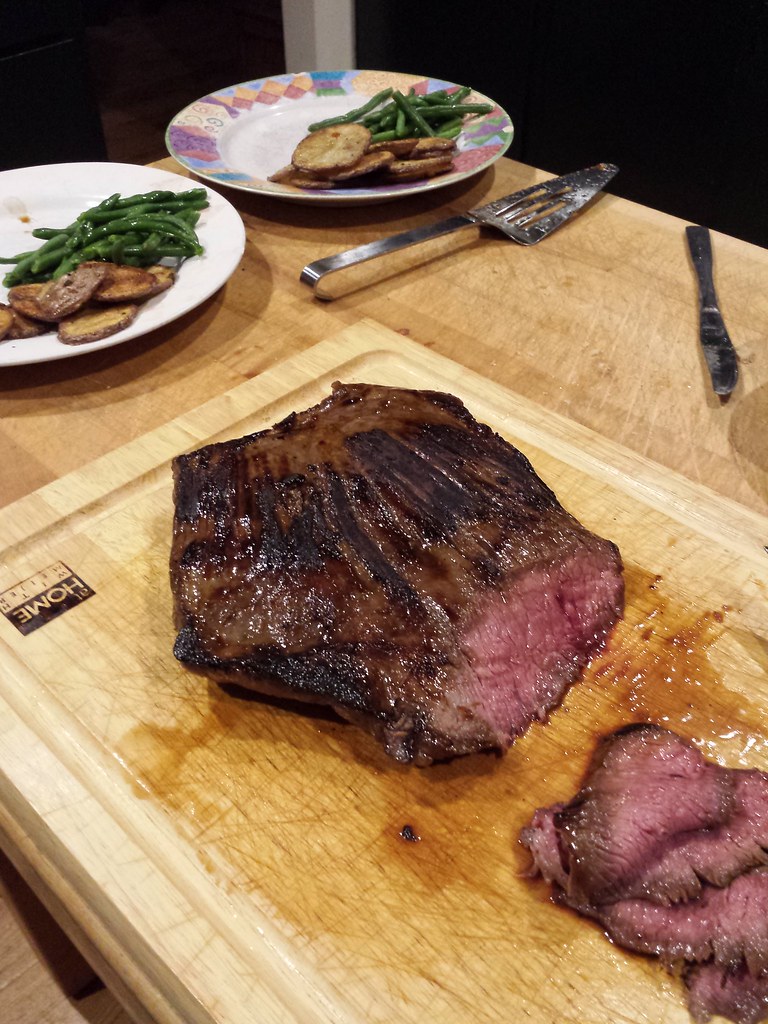
Photo credit: “Cooking Flank Steak With The Anova Sous-Vide Cooker” by billhuber, licensed BY (https://creativecommons.org/licenses/by/2.0/). Source: https://www.flickr.com/photos/29023191@N00/24799915436