PS5 Liquid Metal: Key Takeaways
- A documented CFI-1116 case shows PS5 liquid metal degradation can cause thermal shutdowns after years of use.
- The PS5 liquid metal’s gallium reacts with copper when the nickel barrier fails, forming insulating crystals.
- Only the original CFI-1116 revision is affected, not later PS5 Slim or Pro models with improved designs.
- Buyers should verify the model number, ask about shutdown history, and consider ventilation to slow PS5 liquid metal aging.
A Polish repair technician documented something worth knowing if you’re shopping for a used PS5: a CFI-1116 unit, part of Sony’s original 2021 hardware revision, came in with sudden thermal shutdowns and, once opened up, showed crystallized residue and permanent scarring where its internal liquid metal cooling had chemically degraded over years of use.
Table of Contents
That’s one documented case, not a confirmed pattern across every early PS5, and it’s worth being upfront about that distinction before anything else here. What it does tell you is real and specific enough to be worth checking for.
What Failed, Mechanically
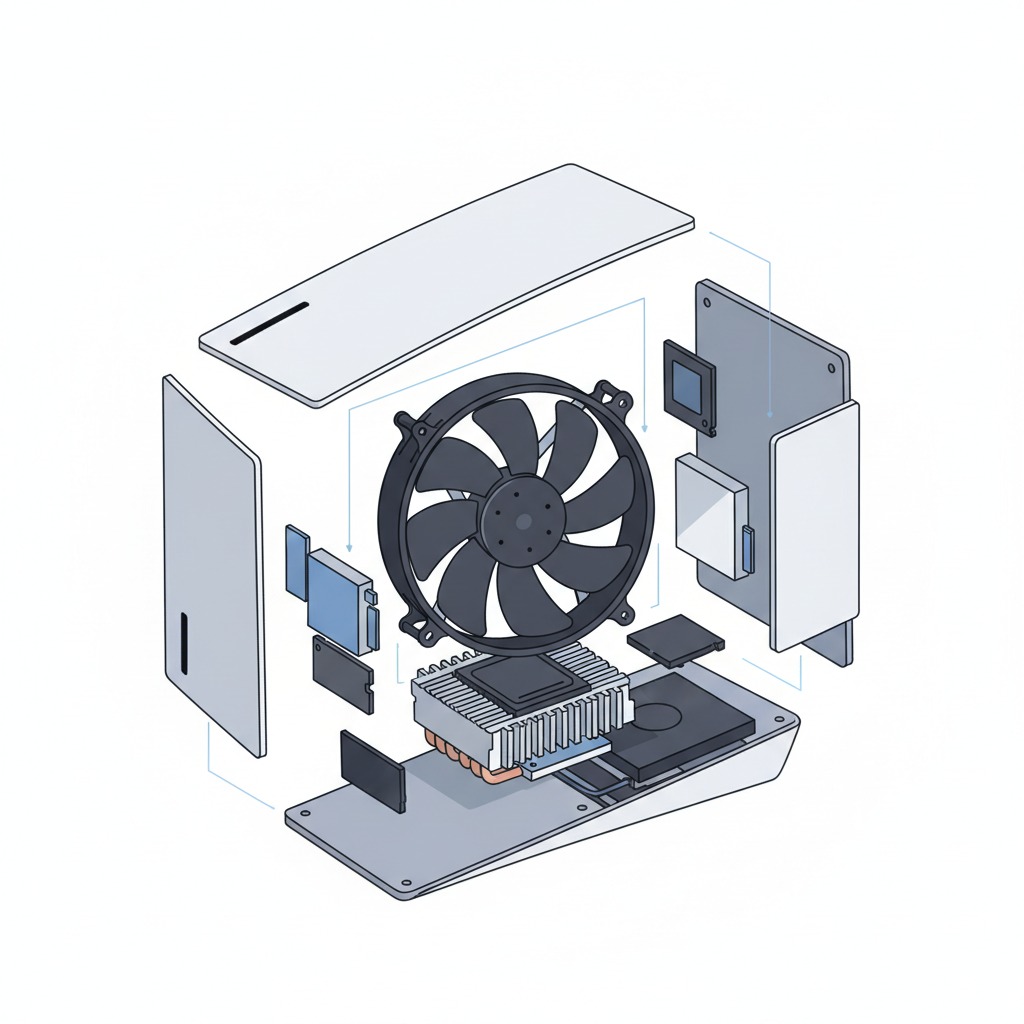
Modern high-performance consoles like the PS5 use liquid metal, not standard thermal paste, between the processor and heatsink, because it conducts heat more effectively. The tradeoff is that liquid metal alloys contain gallium, which reacts with copper over time. A thin nickel barrier layer normally keeps that reaction from reaching the copper heatsink underneath.
In the documented case, that barrier eventually broke down, and gallium diffusion ate through to the copper, forming a hardened, crystallized layer that no longer conducted heat properly and left permanent marks where it happened.
This is a slow, years-long degradation process, not a manufacturing defect that shows up immediately. A console can run normally for a long time before the thermal interface has degraded enough to cause real symptoms, which is exactly why it’s relevant to buying used rather than buying new.
Which Consoles This Applies To
The documented case is specifically a CFI-1116 unit, part of the CFI-1100A revision Sony released in August 2021 as its first major internal hardware revision of the PS5. That’s an important detail for anyone shopping used: this isn’t a concern for a PS5 Slim (CF-2116) or a PS5 Pro, which use different, improved internal designs.
If a used listing doesn’t specify the model number, that’s worth asking for directly rather than assuming; it’s printed on the console itself and in system settings, and it’s the single most useful piece of information for judging whether this specific issue is even relevant to the unit you’re looking at.
Why Sony Used Liquid Metal in the First Place
It’s worth understanding why this tradeoff exists at all rather than treating liquid metal cooling as a design mistake. The PS5’s APU runs hot enough under sustained load that standard thermal paste creates a real bottleneck between the chip and the heatsink; liquid metal’s superior conductivity was a genuine engineering requirement for keeping the console cool and quiet without oversized cooling hardware, not a cost-cutting shortcut or an unnecessary risk.
Every design choice here is a tradeoff: better sustained cooling performance against a slow-developing chemical risk that only shows up after years of use, in a console that was never expected to be opened up and re-serviced the way a gaming PC routinely is.
That context matters for how much weight to put on this. This isn’t a case of a manufacturer picking a cheaper, riskier component to save money; it’s a real engineering tradeoff that mostly plays out fine, with one documented case showing what happens in the failure scenario at the far end of it.
What This Doesn’t Tell You
It’s worth being precise about what one documented case does and doesn’t establish. It doesn’t mean every CFI-1116 console is heading toward this failure, and it doesn’t mean the failure rate is high enough to avoid the model entirely. Liquid metal degradation over several years of continuous use is a known category of risk in high-performance electronics generally, not something unique to this console, and plenty of CFI-1116 units are almost certainly running fine right now.
What it establishes is that the failure mode is real and mechanically explained, which is different from an unconfirmed rumor; it just isn’t the same as a confirmed widespread defect either.
What to Check Before Buying a Used Early PS5
A few concrete steps make this a manageable risk rather than a reason to avoid used PS5 consoles altogether:
- Confirm the model number. CFI-1116 specifically is the unit with a documented case; later revisions used improved thermal designs.
- Ask how the console was used. Years of heavy, continuous use (long gaming sessions, poor ventilation, being left running for extended periods) accelerates the kind of thermal cycling that degrades liquid metal faster than light, well-ventilated use does.
- Ask about shutdown history specifically. A seller who says the console has randomly powered off during use, especially during demanding games, is describing the exact symptom this failure produces. A clean answer here is a meaningfully better sign than just “it works fine.”
- Factor in a service option regardless. Even a console with zero symptoms today is a few years further into the same degradation clock than a newer model. Knowing a local repair option exists for a thermal repaste isn’t wasted knowledge even if you never need it.
Reducing the Risk Without Opening the Console
Since this failure mode is driven by heat cycling over time, anything that reduces how hot the console runs and how often it swings between hot and cold reduces the stress on that liquid metal interface, without requiring anyone to open the console up. Keeping it in an open, ventilated spot rather than a closed cabinet or shelf with poor airflow matters more for a console using liquid metal cooling than it would for one using standard thermal paste, since the whole point of liquid metal was buying thermal headroom that closed-off ventilation quietly gives back.
Dust buildup inside the vents over years of use has the same effect, restricting airflow and pushing internal temperatures higher than the design assumed, so an occasional external clean, using compressed air on the vents without opening the case, is cheap insurance regardless of which console revision you own.
None of this eliminates the underlying chemical process; gallium migration through a nickel barrier happens on its own timeline regardless of how well-ventilated the console is. But running consistently cooler slows how fast that timeline plays out, which is the only lever available to an owner who isn’t planning to open the console for a professional repaste.
If You Already Own One
Reapplying liquid metal isn’t necessarily the straightforward fix it sounds like once this specific failure has happened; the damage described in the documented case includes actual physical scarring of the heatsink surface where the nickel barrier ruptured, not just depleted compound that a fresh application solves. Technicians dealing with this have been looking at alternatives like PTM7950, a phase-change thermal pad that doesn’t carry the same long-term chemical-reaction risk liquid metal does, as a more permanent fix for consoles that have already reached this point.
That’s a repair-shop-level job, not something to attempt without real disassembly experience, given how much can go wrong reseating a console’s internal cooling incorrectly.
Sony has already updated the APU thermal reservoir design in newer console revisions specifically to prevent this kind of compound migration, which is itself a useful data point: it means the underlying failure mode was real enough to design around, even without a formal statement singling out the original CFI-1116 units.
*Source: Ubergizmo — “Early PS5 Models Facing Overheating From Liquid Metal Failure”*
Bottom Line
The PS5 liquid metal issue is documented but not widespread, so confirm the model number before purchasing a used early PS5. Ask the seller specifically about random shutdowns during demanding games and prioritize units with good ventilation history.