
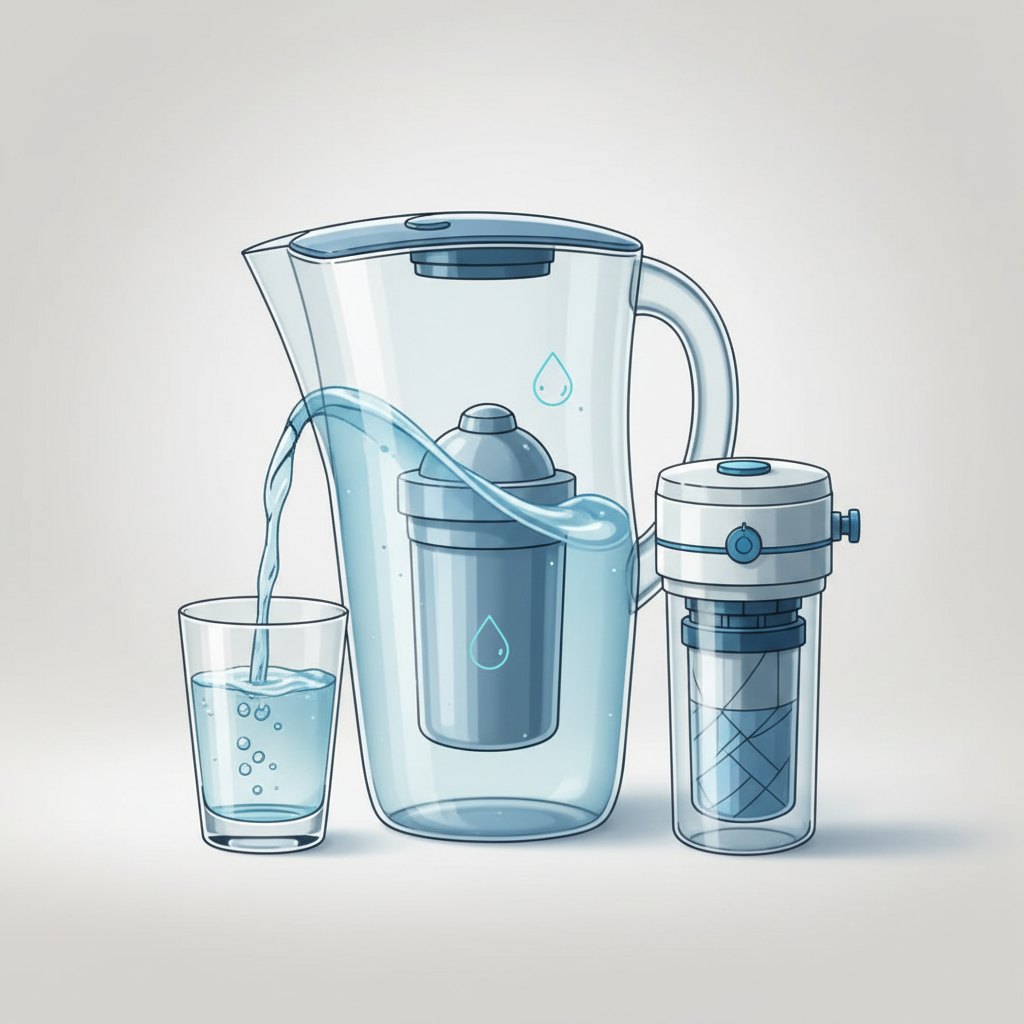
Home Water Filter: Key Takeaways
- Start by obtaining a water quality report before selecting a home water filter.
- Carbon home water filter models address taste and chlorine but not heavy metals.
- Reverse osmosis home water filter systems remove broader contaminants but waste water and need maintenance.
- Match the home water filter scope to the specific concern rather than defaulting to whole-house.
Home water filter shopping usually starts with comparing filter types by price and convenience, when the actual first step should be finding out what’s specifically in the water being filtered. A carbon filter, a reverse osmosis system, and a water softener each target genuinely different contaminants and minerals, and buying the wrong type for a specific water quality issue means paying for a system that doesn’t address the actual problem at all.
Table of Contents
Start With an Actual Water Quality Report, Not Guesswork
A municipal water supplier is required to publish an annual water quality report, often called a Consumer Confidence Report, detailing what’s actually measured in the local water supply and at what levels. For well water, which isn’t covered by municipal reporting, an independent water test from a certified lab is the only reliable way to know what’s actually present.
Either way, this report or test is the correct starting point, since it identifies actual contaminants or hardness levels, rather than choosing a filter type based on general assumptions about what “probably” needs filtering.
Carbon Filters: Taste, Odor, and Chlorine, Not Heavy Metals or Minerals
Carbon filtration, the type used in most pitcher filters and basic faucet attachments, is genuinely effective at improving taste and odor and reducing chlorine and certain organic compounds, but a basic pitcher or faucet carbon filter does not meaningfully remove dissolved minerals or many other contaminants that might show up in a water quality report, and only carbon filters certified to NSF/ANSI 53 are tested for health contaminants such as lead.
This is the right choice specifically for taste and chlorine-related concerns, and the wrong choice if a water report shows measurable levels of lead, arsenic, or other specific contaminants carbon filtration isn’t designed to address.
Reverse Osmosis: Broader Removal, Real Trade-Offs
A reverse osmosis system forces water through a semi-permeable membrane that removes a much broader range of contaminants, including many heavy metals, dissolved minerals, and other substances carbon filtration passes through, making it the more appropriate choice when a water report shows specific contaminants beyond taste and chlorine. The trade-offs are real: RO systems waste a meaningful amount of water in the filtration process itself, require more maintenance and periodic membrane replacement, and also remove beneficial minerals along with contaminants, which is a genuine consideration though generally not a health concern for someone otherwise eating a normal, varied diet.
Water Softeners Solve a Completely Different Problem: Hardness, Not Contamination
Hard water, water with high mineral content, primarily calcium and magnesium, isn’t a health or safety issue but causes scale buildup in pipes and appliances, reduces soap and detergent effectiveness, and can leave mineral spots on dishes and fixtures. A water softener addresses this specific mineral hardness issue through an ion-exchange process, and it does not function as a contaminant filter at all; a home with genuinely hard water and separately a specific contamination concern needs both a softener and an appropriate filtration system, not one in place of the other.
Whole-House Systems vs. Point-of-Use Filters
A point-of-use filter, installed under a single sink or as a pitcher, treats only the water used at that specific location, which is sufficient for drinking and cooking water concerns. A whole-house system treats all water entering the home, relevant for concerns like scale buildup affecting pipes and appliances throughout the house, or a contaminant concern significant enough to also matter for bathing water, not just drinking water.
Matching the system’s scope to the actual concern, rather than defaulting to the most comprehensive and expensive whole-house option, keeps the solution proportionate to the actual problem identified in a water report.
A Practical Buying Approach
- Get an actual water quality report or independent test result before choosing a filter type, rather than guessing based on general water filter marketing.
- Choose carbon filtration for taste, odor, and chlorine concerns, and reverse osmosis for a broader range of contaminants identified in a water report.
- Treat a water softener as a separate purchase from filtration, addressing hardness and appliance scale, not contamination.
- Match system scope, point-of-use or whole-house, to the actual concern, rather than defaulting to the most comprehensive option available.
The Honest Trade-Off
The right water filtration system is determined by actual water composition, not by which product is most heavily marketed or most comprehensive-sounding. Skipping the water quality report step and buying based on general assumptions is the most common way people end up with a filter that doesn’t address their actual water quality issue, or pay for capability, like broad heavy-metal removal, they never needed in the first place.
Bottom Line
Choose a home water filter based on your actual water report rather than marketing claims. Then get a certified lab test or municipal report before buying.
Related Reading
- ‘HEPA-Type’ Filters Let Through Up to 150 Times More Particles Than True HEPA. The Label Difference Is One Word.
- A Portable Generator and a Home Standby System Solve Different Problems Entirely
- Self-Monitoring Your Home Security System Saves $20 a Month. It Also Makes You the Backup Plan for Every Alarm, Forever.
Sources: NSF: consumer confidence reports, American Water Works Association: EPA revised Consumer Confidence Report requirements.
Illustration: AI-generated for iLuxeMart.