RCS Messaging: Key Takeaways
- RCS messaging adds read receipts, typing indicators, better photo/video quality, and improved group chat to cross-platform texts.
- For users who often text between iPhone and Android, RCS messaging provides a genuinely meaningful improvement over old SMS/MMS.
- Apple keeps a different bubble color for RCS messaging, so the visual distinction between iPhone-to-iPhone and iPhone-to-Android chats remains.
- End-to-end encryption for RCS messaging is available in beta where both devices and carriers support it, shown by a lock icon.
The long-running friction between iPhone and Android users texting each other, commonly reduced to the “green bubble” color difference, was always really about a genuine technical gap: iPhone-to-Android texts fell back to SMS/MMS, a decades-old standard with no read receipts, no typing indicators, heavily compressed photo and video quality, and no real group chat features to speak of.
Table of Contents
Apple’s addition of RCS support was meant to close that gap, and it’s worth understanding specifically what actually improved versus what remains a genuine difference from iMessage-to-iMessage conversations.
What RCS Actually Adds Over Old-Style SMS/MMS
RCS, Rich Communication Services, is a modern messaging standard that brings read receipts, typing indicators, higher-quality photo and video sharing, and better group chat functionality to cross-platform texting, essentially closing most of the practical feature gap that made Android-to-iPhone texting feel noticeably worse than iPhone-to-iPhone iMessage conversations. For anyone frequently texting across the iPhone/Android divide, this represents a genuinely meaningful improvement in daily messaging experience, not a cosmetic change.
End-to-End Encryption Remains an Ongoing Point of Difference
iMessage-to-iMessage conversations use end-to-end encryption by default, meaning only the sender and recipient can read message content. Encryption was the main gap. The original iPhone implementation of RCS did not include end-to-end encryption. The GSMA has since published RCS Universal Profile 3.0, built with Apple’s involvement, which adds end-to-end encryption based on the Messaging Layer Security protocol.
End-to-end encryption for iPhone-to-Android chats began rolling out in beta with iOS 26.5 in May 2026, and it is on by default where both devices and carriers support it, with a lock icon confirming a protected conversation. Availability still varies by phone, software version and carrier.
The Bubble Color Distinction Still Exists, Just With Better Underlying Features
Apple has continued distinguishing RCS conversations with a different bubble color from iMessage-to-iMessage conversations, meaning the visual distinction between talking to another iPhone user and an Android user hasn’t disappeared even though the underlying functional gap has substantially narrowed. This means the social dynamic around bubble color that some users found frustrating persists as a visual matter even as the actual practical messaging experience has become much closer to equivalent.
Carrier and Regional Rollout Variance
RCS support depends partly on both the specific phone’s software support and, for some features, the carrier’s own network support for RCS, meaning the actual experience can vary somewhat by carrier and region even among devices that nominally support the standard. This is worth being aware of specifically for anyone experiencing inconsistent RCS feature availability, since the cause may be carrier-side rather than a setting on either phone involved in the conversation.
Group Chats Across Platforms Still Have Some Rough Edges
While RCS substantially improved cross-platform group chat compared to old SMS/MMS group texts, a group chat containing a mix of iPhone and Android participants, particularly one that includes people without RCS support at all, can still behave less consistently than an all-iMessage or all-RCS-compatible group, occasionally splitting into separate threads or dropping some group features for participants without full RCS support.
A Practical Understanding
- Expect a genuinely improved cross-platform texting experience with RCS compared to old-style SMS/MMS, including read receipts, better media quality, and improved group chat.
- Don’t expect the bubble color distinction to disappear, since Apple has continued visually distinguishing RCS from iMessage conversations.
- Check current, specific documentation for encryption details if that’s a specific concern, since this area has continued to evolve.
- Recognize that carrier and regional variance can affect the actual RCS experience, independent of the phones’ own software support.
The Honest Trade-Off
RCS meaningfully closed the practical feature gap between cross-platform and same-platform texting, which is a genuine, significant improvement for anyone regularly texting across the iPhone/Android divide. It hasn’t made a cross-platform conversation functionally or visually identical to an all-iMessage one, and understanding that distinction, real functional improvement alongside a persisting visual and some technical differences, is more accurate than either dismissing RCS as a non-change or assuming it fully eliminated every difference.
Bottom Line
To benefit from RCS messaging, ensure your phone and carrier support it and look for the lock icon for encrypted chats. Check your device settings for any available updates that might improve performance.
Related Reading
- What You Actually Lose Switching From iPhone to Android
- Foldable Laptops Solve a Real Portability Problem. They Also Inherit Every Foldable-Screen Problem.
- That Suspiciously Cheap Unlocked Phone Might Be an Import Never Meant to Be Sold Here
Sources: GSMA: RCS encryption, 9to5Google: encrypted RCS on Android and iOS.
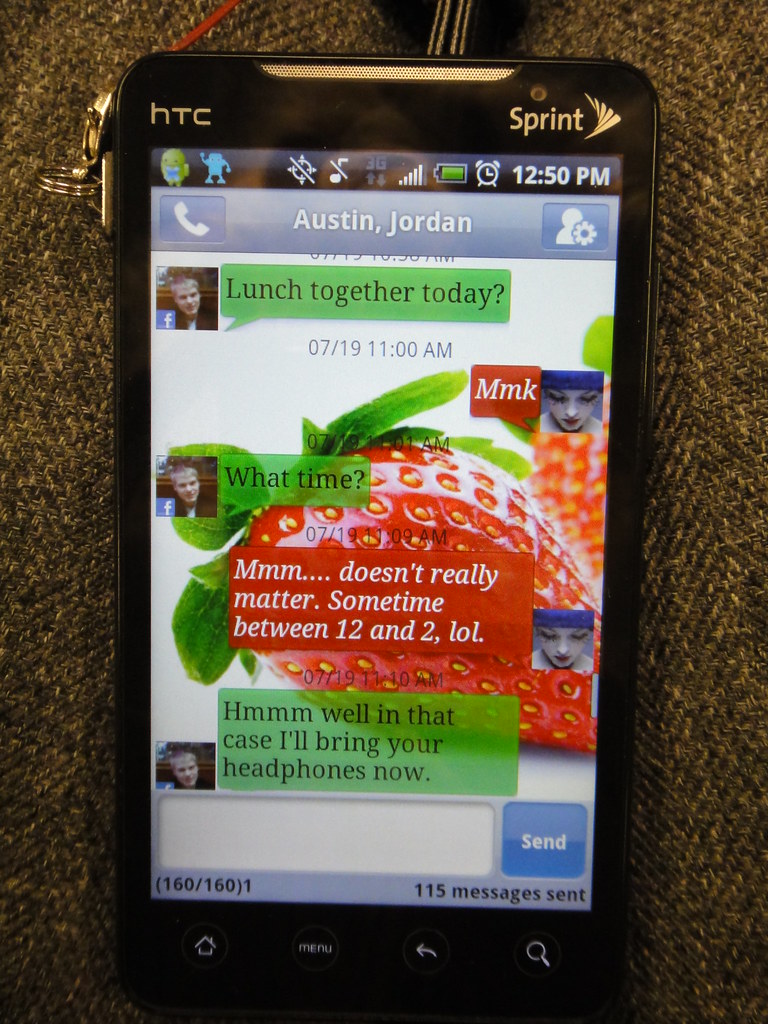
Photo credit: “I have pretty text messaging ♥” by Debs (ò‿ó)♪, licensed BY (https://creativecommons.org/licenses/by/2.0/). Source: https://www.flickr.com/photos/30223382@N06/4887699386