White Noise Machine: Key Takeaways
- A white noise machine may produce pink or brown noise instead of true white noise.
- A white noise machine study found pink noise reduces REM sleep, while no study proves brown noise superior.
- A dedicated white noise machine avoids interruptions from phone notifications or dead batteries.
- Cheaper models may loop short samples, creating repetitive patterns that disturb light sleepers.
“White noise machine” has become the generic term for the entire sleep-sound category, similar to how “Kleenex” stands in for all facial tissue, but the actual sound many of these machines produce isn’t white noise at all. White, pink, and brown noise are three genuinely different frequency profiles with different practical effects, and a machine limited to true white noise may not be the best match for every sleep need.
Table of Contents
What Distinguishes the Three Noise Colors
White noise contains equal energy across all audible frequencies, producing the familiar hissing, static-like sound most people picture when they hear the term. Pink noise reduces higher-frequency energy relative to lower frequencies, producing a sound often described as deeper and closer to rainfall or steady wind, generally perceived as softer and less harsh over long listening periods.
Brown noise reduces high frequencies even further, producing a deep, rumbling sound closer to a low roar or distant thunder, often described as the most soothing of the three for sustained background listening by people who find white noise’s higher frequencies grating over time.
The Research on Which Color Actually Helps Sleep
Research on noise-assisted sleep is genuinely still developing, and results vary across individuals rather than pointing to one universally superior noise color. One Penn Medicine study found that continuous pink noise reduced REM sleep, and there is no research showing brown noise is specifically better, so treat any noise color as something to test rather than a proven fix. What’s more consistently supported is the broader mechanism: a steady, consistent background sound masks sudden environmental noises, a door closing, traffic, a partner moving, that would otherwise cause a sleep disruption or partial waking.
Which specific noise color feels most comfortable and least distracting is genuinely individual, which is why a machine offering multiple noise colors to test is more useful than one committed to a single sound.
Real Sound Machines vs. Bluetooth Speakers Playing an App
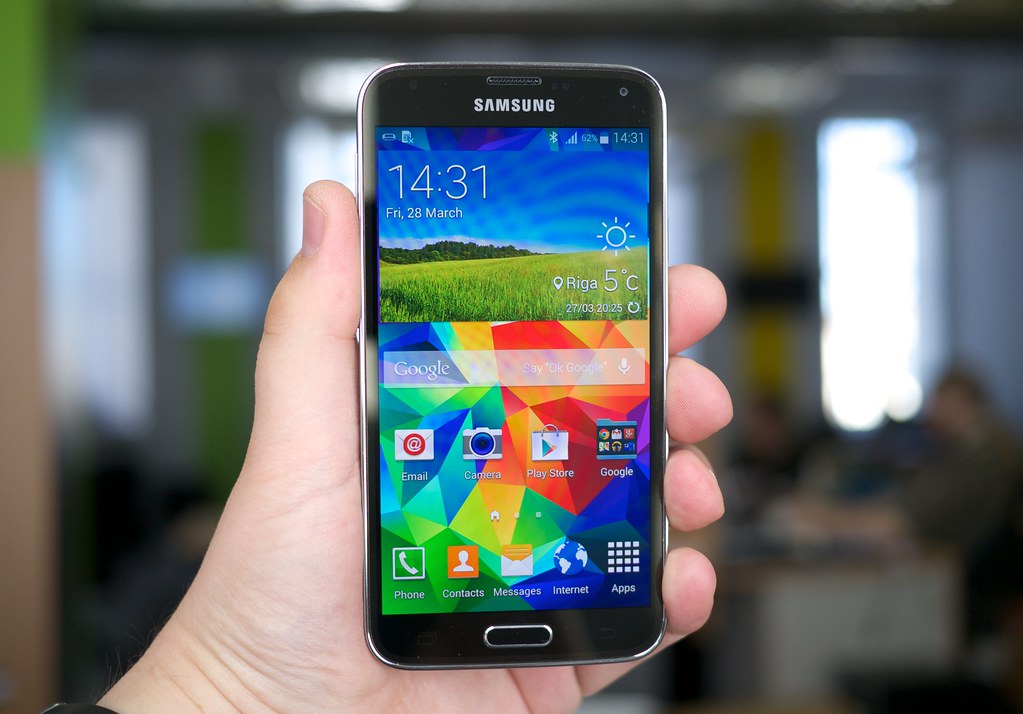
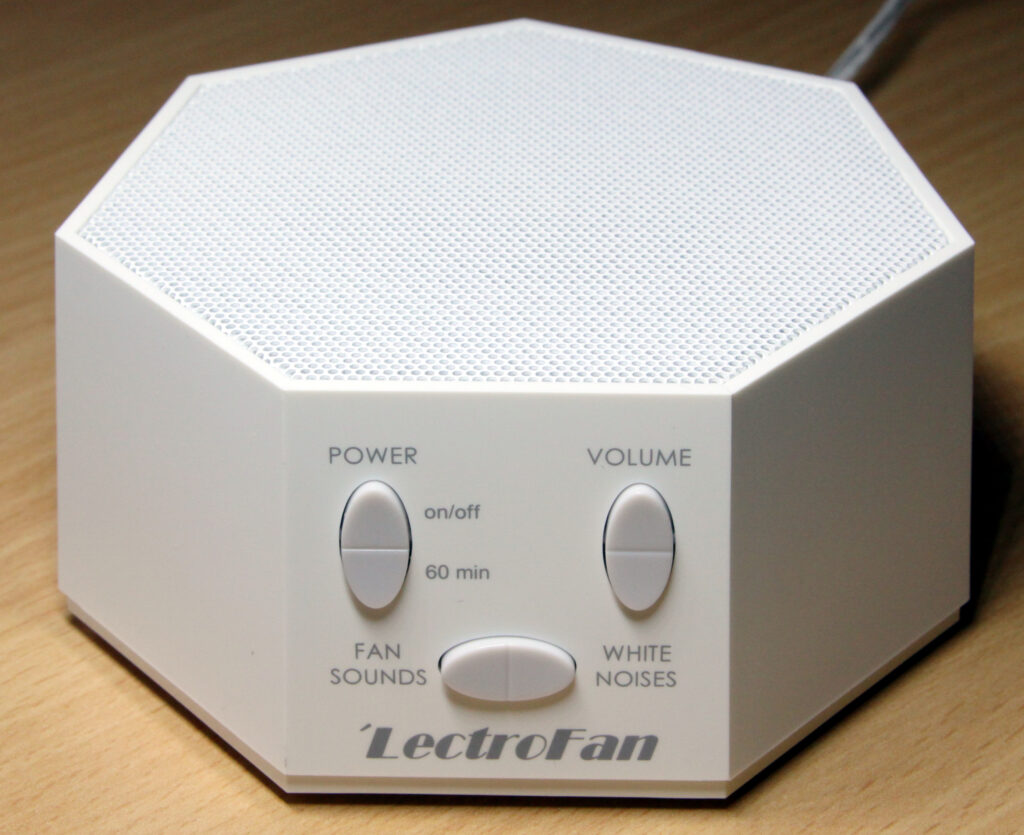
A dedicated white noise machine generates its sound directly through onboard hardware and plays continuously without needing a connected phone, app, or internet connection, meaning it won’t interrupt playback if a phone’s battery dies or a notification comes through. Using a phone or Bluetooth speaker with a white noise app is a reasonable substitute for someone who already owns capable speakers, but introduces the specific risk of a phone notification, low battery, or app closing interrupting sound in the middle of the night, precisely when consistency matters most.
Looping Artifacts Are a Real Quality Difference
Cheaper white noise machines using a short, obviously looping audio sample can produce a subtly repetitive pattern that some sleepers unconsciously notice and find distracting once they tune into it. Higher-quality machines use either genuinely random noise generation or a much longer, more varied loop specifically to avoid this perceptible repetition. This is difficult to judge from a spec sheet, making it worth checking reviews specifically for comments about looping or repetitive patterns before buying, particularly for light or easily-distracted sleepers.
Additional Features Worth Considering
Many modern sound machines add a timer function to stop after a set period, useful for someone who prefers sound only while falling asleep rather than all night, and some include a small night light, which is a genuine convenience for a nursery or a bedroom where a dim light source for occasional nighttime navigation is useful, though it’s a separate feature from the sound function itself and worth weighing independently.
A Practical Buying Approach
- Choose a machine offering multiple noise colors to test which one is actually most comfortable, rather than assuming white noise specifically is the right choice.
- Prefer brown or pink noise as a starting point for anyone who finds true white noise’s higher frequencies harsh over a full night of listening.
- Buy a dedicated machine over a phone app for anyone prone to sleep disruption from notifications or dead batteries.
- Check reviews for looping complaints specifically at the budget end of the price range, where shorter audio samples are more common.
The Honest Trade-Off
The right noise color for sleep is genuinely individual, and a machine that only offers true white noise may not be the best fit for everyone, despite the category’s generic name. Testing multiple noise colors, on a dedicated machine that won’t get interrupted by a phone notification, is a more reliable path to actually improving sleep than assuming the most commonly marketed noise color is automatically the right one.
Bottom Line
Choose a white noise machine that offers multiple noise colors so you can test which feels most comfortable. Then verify reviews for looping issues before purchasing to avoid repetitive patterns.
Related Reading
- A Gaming Chair’s Cushions Go Flat in 2 to 4 Years. A Good Office Chair Lasts a Decade. Here’s What Actually Matters for Your Back.
- A Flaw in One Baby Monitor Platform Exposed Over a Million Cameras. Here’s the Everyday Mistake Behind Most Baby Monitor Hacks.
- You Don’t Need a New Desk to Stop Sitting All Day
Sources: Sleep Foundation: white noise, Penn Medicine: pink noise reduces REM sleep.
Photo credit: “LectroFan white noise machine” by Morn, licensed BY-SA (https://creativecommons.org/licenses/by-sa/4.0/). Source: https://commons.wikimedia.org/w/index.php?curid=69998806