
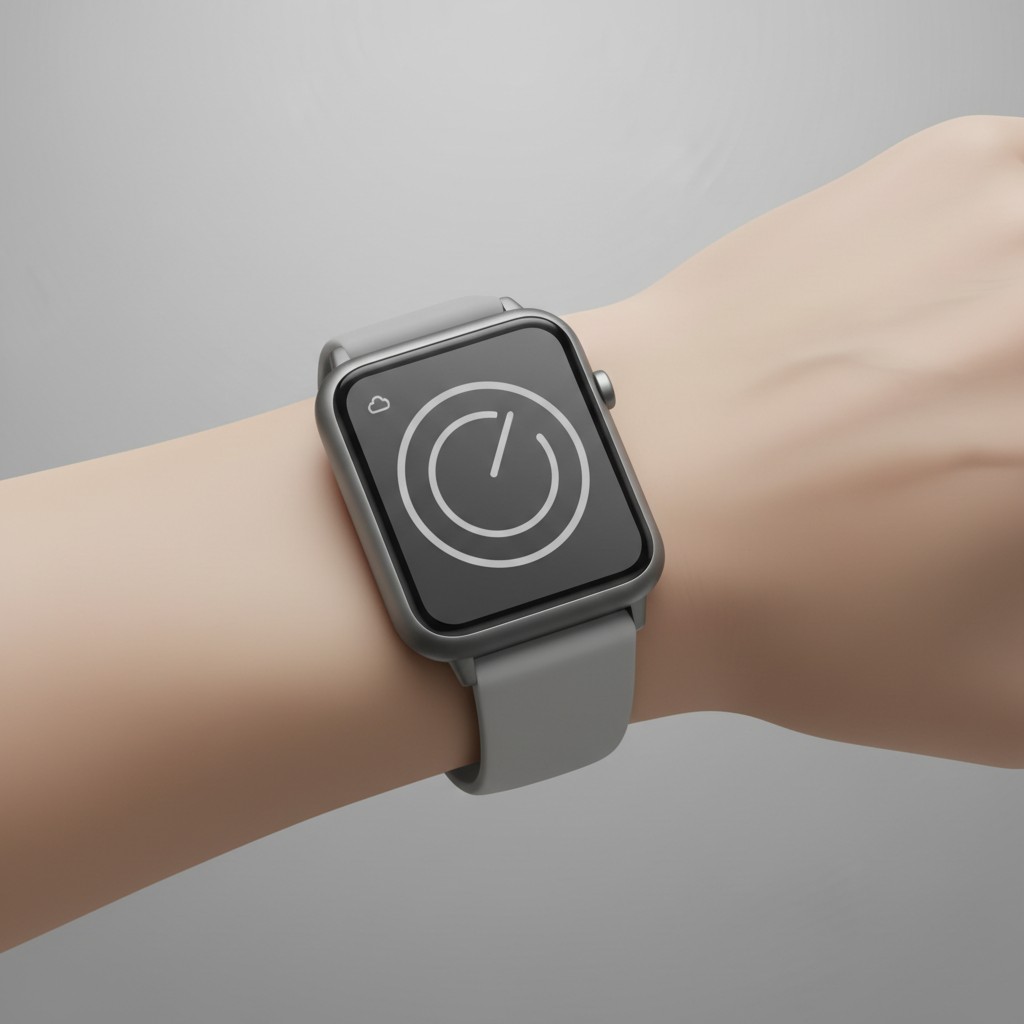
This site has now written about a ring that charges monthly to keep its own new features working, a smart home platform gating advanced routines behind a subscription, and a speaker that bundles six months of a premium tier as a “$60 value” before quietly expecting continued payment. The Pebble Time 2 is the opposite of all three: $225, once, and that’s the entire bill. Understanding why that’s possible, and what gets given up to get there, is more useful than treating it as a nostalgia play for people who remember the original Pebble.
What $225 Buys
The Pebble Time 2 uses a 64-color e-paper display rather than the OLED or AMOLED screens on nearly every competing smartwatch, a deliberate tradeoff, not a cost-cutting shortcut. E-paper draws meaningfully less power than a backlit color screen, which is the direct reason the watch gets roughly 21 days per charge, compared to about 18 hours on an Apple Watch Series 11, roughly 40 hours on a Samsung Galaxy Watch 8, and around 11 days even on a Garmin Venu Sq 2 built specifically around battery efficiency. That gap isn’t a rounding difference. It’s the difference between a watch charged nightly like a phone and one charged on a rough monthly schedule like an e-reader. The tradeoff is genuine: e-paper can’t do smooth animations, video, or the always-on color richness of a flagship display, and the watch leans into that rather than fighting it, with four physical buttons for navigation instead of relying on a touchscreen. It comes in blue, red, silver, or black, with a silver or black stainless steel frame.
Basic fitness tracking, steps, sleep, heart rate, is included and functional but not the point of the product. Notifications mirror from your phone, and it controls phone music playback. Water resistance holds to 30 meters for everyday exposure, and the whole thing runs an open-source operating system with a genuinely active independent app and watch-face community, over 2,120 watch faces and apps at last count, including a fresh wave of 500-plus community-built additions from a spring 2026 developer contest.
Why No Subscription Is Possible Here
The subscription model on modern wearables generally exists to fund one of two things: cloud-based health analytics processing, or an ongoing cellular or data connection. The Pebble Time 2 has neither dependency by design. It isn’t running continuous blood-oxygen trend modeling, GPS-based route mapping, or cloud-processed sleep-stage analysis, the kind of features that create recurring backend costs a company eventually needs to recoup somehow. This site’s Oura Ring 5 coverage laid out exactly that mechanism: the $5.99-a-month fee funds continuous cloud analysis of biometric data, a genuinely expensive, ongoing service to run at scale. Pebble’s basic tracking is processed on-device and simply isn’t doing that category of analysis, which is precisely why there’s nothing recurring to bill for. The lack of a subscription isn’t a generous business decision. It’s a direct consequence of what the product does and doesn’t attempt.
What to Check Before Ordering One
A few practical details matter more here than on a typical smartwatch purchase. iOS support exists but is meaningfully more limited than Android’s: Apple’s platform restrictions prevent notification actions, text replies, and several app integrations that work natively on Android, so an iPhone owner is buying a more passive notification-mirroring experience than a full companion device. Buyers used to shopping across a multi-size case lineup, the way Apple Watch and Garmin are typically sold, should confirm the exact case dimensions and strap sizing against their own wrist before ordering, since a smaller specialty brand’s sizing options can differ meaningfully from what a mainstream smartwatch buyer is used to comparing against. And because the software runs on community-maintained infrastructure rather than a corporate app store’s review process, it’s worth spending the first week with the default watch face and a small number of well-reviewed community apps before loading up on less-established ones, simply because quality control varies more than on a commercial platform with a single company standing behind every listing.
What Living Without a Companion App Ecosystem Feels Like
The tradeoff that gets the least attention in most reviews is the software ecosystem itself, not the hardware. A Fitbit, Apple Watch, or Garmin comes with a polished first-party companion app backed by a company’s ongoing investment; Pebble’s revival runs on community-built infrastructure, developer contest submissions, and an open-source codebase maintained largely by the same enthusiast base that kept the original Pebble’s servers alive for free after the company shut down. That means app quality varies more than on a commercial platform, features arrive because a hobbyist built them rather than because a product roadmap scheduled them, and there’s no formal customer support line to call if something breaks. For a buyer used to an app-store-polished experience, that’s a genuine downgrade in consistency. For the specific audience this watch is built for, people opting out of a screen-driven ecosystem in the first place, it tends to read as part of the appeal rather than a flaw.
Who This Watch Is For
Every review of this watch, independently, lands on some version of the same framing: it’s not competing with an Apple Watch, a Galaxy Watch, a Pixel Watch, or a Garmin sports watch, and comparing it on those terms misses the point of it. It’s built for people who want notifications, basic timekeeping, and a few playful, hackable extras without a screen constantly asking for attention or a battery demanding nightly care. One reviewer described the appeal directly as wanting a watch that helps you “focus on life rather than screens,” a specific audience that current flagship smartwatches have mostly stopped designing for, since flagship wearables have converged hard on doing more, not less.
If you’re tracking serious training load, need GPS-accurate route mapping, or want continuous health metrics with clinical-grade sensor backing, this watch will disappoint on every one of those fronts, by design rather than as an oversight worth complaining about. If what’s wanted is a watch that tells time, buzzes for texts, controls a podcast, and doesn’t need to go on a charger most nights, it’s solving a specific problem most current smartwatches have stopped trying to solve at all.
The Company Behind It Is Worth Knowing, Too
The original Pebble sold roughly 2 million watches and generated about $230 million in revenue before shutting down; its user community kept its servers and app store running independently, for free, until 2025. Founder Eric Migicovsky then obtained open-source rights to the platform from Google, which had acquired the remains of Pebble’s software years earlier through Fitbit, and rebuilt the company as Core Devices specifically to bring it back. That history matters for a practical reason beyond nostalgia: an open-source OS with a track record of surviving its original company’s shutdown is a meaningfully lower long-term risk than a closed platform, since the software’s continued existence doesn’t depend entirely on one company’s ongoing survival, a genuine consideration for anyone burned before by a connected device turning into an expensive paperweight after its maker folded or discontinued the app.
The Comparison Worth Making
Don’t compare the Pebble Time 2 to an Apple Watch on features; it loses that comparison on purpose. Compare it instead to what’s already being paid, over time, for the wearables currently on a wrist or nightstand. A $225 one-time cost against a device category that increasingly treats a monthly fee as the default isn’t a nostalgia purchase; it’s a genuinely different economic model, available specifically because the product doesn’t attempt the categories of tracking that make a subscription necessary in the first place. Whether that tradeoff is worth it depends entirely on whether those deeper features were ever being used, or paid for monthly as a feature set that was never fully used.