
Sim Swap Fraud: Key Takeaways
- Setting a carrier PIN specifically required for sim swap fraud blocks attackers who rely on social engineering.
- Moving critical accounts from SMS two-factor to authenticator apps removes the phone number from sim swap fraud risk.
- A sudden loss of cellular service may signal an active sim swap fraud, prompting immediate carrier contact via another device.
- Filing an FTC report and notifying financial institutions follows after securing accounts when sim swap fraud is suspected.
SIM swap fraud involves an attacker convincing a phone carrier to transfer a victim’s phone number onto a SIM card the attacker controls, typically through social engineering a carrier’s customer service representative or exploiting weak account verification, rather than through any technical hacking of the phone itself. Once successful, the attacker receives the victim’s calls and text messages, including the SMS-based two-factor authentication codes protecting bank accounts, email, and other sensitive services, turning a phone number hijack into a much broader account takeover.
Table of Contents
Why This Attack Specifically Targets a Carrier, Not a Phone
The vulnerability being exploited isn’t in a phone’s own security; it’s in a carrier’s account verification process for handling a legitimate-seeming request to transfer service to a new SIM card, a routine process that exists for genuine reasons like getting a replacement SIM after losing a phone. An attacker armed with enough personal information about a target, often gathered from data breaches, social media, or phishing, can sometimes pass a carrier’s identity verification questions convincingly enough to complete a fraudulent transfer.
The Carrier PIN Is the Single Most Direct Defense
FCC rules adopted in 2023 require wireless carriers to authenticate customers securely before SIM changes or number transfers, to notify them, and to offer an account lock. In practice, every major carrier offers an account PIN or passcode specifically required before any SIM swap, number port, or major account change can be processed, a defense that directly targets this exact attack by requiring information beyond what’s typically available from a data breach or social media research.
Setting this PIN, and specifically confirming with the carrier directly that it’s actually required for SIM swap requests rather than just account login, is a concrete, high-value security step many phone owners never take simply because it isn’t set up automatically at account creation.
Why SMS-Based Two-Factor Authentication Is the Real Underlying Risk
The reason SIM swap fraud is so damaging is that so many services still rely on SMS text messages as a two-factor authentication method, meaning control over a phone number equals control over the reset or login codes for potentially dozens of separate accounts. Moving critical accounts, email, banking, and any account protecting significant financial or personal data, to an authenticator app or a hardware security key instead of SMS-based codes removes the phone number entirely from that specific security equation, meaning a successful SIM swap no longer grants access to those particular accounts even if it succeeds.
Recognizing an Active SIM Swap Attack in Progress
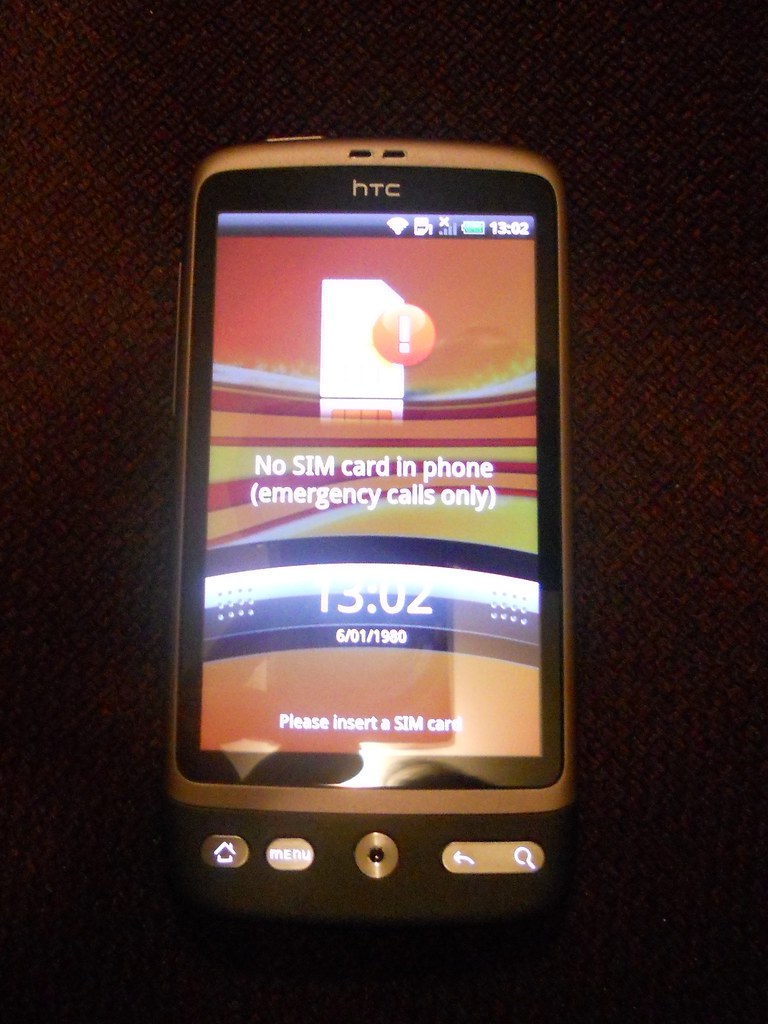
A sudden, unexpected loss of cellular signal or the phone showing “no service” status for an extended period, especially if it follows any suspicious account activity or unexpected texts about account changes, can indicate an active SIM swap already occurring, worth treating as an emergency requiring immediate contact with the carrier through an alternate method, like a computer or another phone, rather than assuming it’s a routine network or phone issue that will resolve itself.
What to Do Immediately If a SIM Swap Is Suspected
Contacting the carrier immediately through a separate device or channel to report a suspected unauthorized SIM swap, then quickly checking and securing any account that used SMS-based authentication, changing passwords and reviewing recent account activity, particularly for financial accounts, addresses the most time-sensitive part of the situation. Filing a report with the FTC and, if financial fraud has occurred, contacting the specific financial institutions involved directly, follows as the next step once the immediate account security has been addressed.
A Practical Approach
- Set a carrier account PIN specifically for SIM swap and number port protection, confirmed directly with the carrier as covering that exact scenario, not just general account login.
- Move critical accounts away from SMS-based two-factor authentication to an authenticator app or hardware security key wherever the option exists.
- Treat sudden, unexplained loss of cell service as a potential active attack, especially alongside any suspicious account activity, and contact the carrier immediately through an alternate device.
- Act quickly on financial accounts if a SIM swap is confirmed or suspected, given how directly control over a phone number can enable broader account access.
The Honest Reality
SIM swap fraud exploits a carrier’s account verification process, not a technical flaw in a phone itself, which means the most effective defenses are carrier-account-level, not device-level. A carrier PIN and moving away from SMS-based two-factor authentication for genuinely sensitive accounts together close off the two mechanisms this specific attack depends on, making it a much less effective path for an attacker regardless of how much personal information they’ve gathered elsewhere.
Bottom Line
A carrier PIN and moving sensitive accounts off SMS two-factor authentication close the main pathways used in sim swap fraud. Contact your carrier now to enable a SIM-change PIN and update your most important accounts to an authenticator app.
Related Reading
- The ‘Grandma, It’s Me’ Scam Now Uses an AI Clone of the Actual Grandchild’s Voice
- Update Your Mac Now: This Screen Sharing Bug Is Being Exploited
- A Flaw in One Baby Monitor Platform Exposed Over a Million Cameras. Here’s the Everyday Mistake Behind Most Baby Monitor Hacks.
Sources: Federal Register: FCC rule on SIM-swap and port-out fraud.
Photo credit: “Sadness – 2011-04-20” by 4nitsirk, licensed BY-SA (https://creativecommons.org/licenses/by-sa/2.0/). Source: https://www.flickr.com/photos/26223114@N02/5637586566