Counterfeit Electronics: Key Takeaways
- Counterfeit electronics can reach buyers even from listings that show authentic brand photos and descriptions.
- Commingled inventory mixes unrelated sellers’ stock, so a purchase from an authorized seller may still ship a counterfeit electronics unit.
- A price far below other retailers often signals counterfeit electronics, a mislabeled product, or a scam listing.
- Checking the specific seller’s rating and history, not just the product page, helps assess counterfeit electronics risk.
A product listing on a major online marketplace showing a real, recognizable brand name, authentic-looking product photos, and a legitimate product description doesn’t guarantee the specific physical item that actually ships is genuine, a gap in consumer expectations that counterfeit electronics sellers specifically exploit. Understanding exactly how counterfeit products end up mixed into legitimate-looking listings is the first step to actually protecting against it.
Table of Contents
How “Commingled Inventory” Creates a Real Counterfeit Risk
Until recently, some major marketplaces used fulfillment systems where multiple third-party sellers’ inventory for the “same” product gets physically stored together in the same warehouse bins and shipped interchangeably to fulfill any order for that listing, a practice generally called commingled inventory. This means a shopper buying from what appears to be, or even genuinely is, an authorized, reputable seller’s listing can still receive a counterfeit unit that a different, unrelated third-party seller mixed into that same shared inventory pool.
This is a structural feature of certain fulfillment systems, not simply an occasional shipping mistake, and it’s the specific mechanism that makes even careful, seemingly legitimate listings a real counterfeit risk on some platforms.
Prices Significantly Below Every Other Retailer Are a Real Signal
A genuine, brand-authorized electronics product, particularly from well-known manufacturers with consistent pricing across authorized retailers, rarely sells for dramatically less than every other retailer carrying the same item simultaneously. A listing priced meaningfully below the broader market for an identical product is one of the more reliable warning signs of either counterfeit product, a different/inferior product mislabeled, or a scam listing that won’t ship a real product at all.
Checking Seller Information, Not Just Product Listing Content
The product listing photos and description are typically supplied by the brand or the original legitimate seller and can be used, entirely legally in most cases, by unrelated third-party sellers on the same listing page, meaning the listing content itself says little about which specific seller will actually fulfill a given order.
Checking the specific third-party seller information, their rating, review history, and how long they’ve been active, separately from the general product listing content, gives more relevant information about who is actually shipping the item.
Buying Directly From the Manufacturer or an Authorized Retailer Removes the Risk Entirely
For electronics where authenticity genuinely matters, particularly safety-relevant items like chargers, batteries, and power adapters where a counterfeit can pose a real fire or electrical safety risk, buying directly from the manufacturer’s own website or a retailer explicitly listed as an authorized reseller on the manufacturer’s website removes the commingled-inventory and third-party-seller risk entirely, at the cost of potentially losing access to marketplace convenience or occasional lower prices.
What to Check on an Item That Has Already Arrived
Comparing a received item’s packaging, included documentation, serial number formatting, and physical build quality against official product images and specifications on the manufacturer’s own website can reveal counterfeit indicators after the fact, things like incorrect fonts, missing safety certification markings, or a serial number that doesn’t match the manufacturer’s expected format. Manufacturers of frequently counterfeited products, particularly electronics and batteries, sometimes provide a specific serial number verification tool on their own website for exactly this purpose.
A Practical Buying Approach
- Be specifically wary of prices meaningfully below the broader market for an identical, currently available product from a known brand.
- Check the specific third-party seller’s rating and history, not just the product listing’s photos and description, before buying from a marketplace.
- Buy safety-relevant electronics, chargers, batteries, and power adapters, directly from the manufacturer or an explicitly authorized retailer when authenticity genuinely matters.
- Verify a received item against official manufacturer specifications and any available serial number checker if authenticity is in doubt after delivery.
The Honest Reality
Counterfeit electronics on major marketplaces are a real, structurally-enabled problem in some cases, not just a matter of occasionally unlucky sellers, and a legitimate-looking listing with a real brand name doesn’t guarantee a genuine product will actually arrive. For anything where authenticity carries real safety stakes, buying directly from the manufacturer or a verified authorized retailer remains the most reliable way to eliminate this specific risk entirely.
Bottom Line
Counterfeit electronics remain a structural risk on some marketplaces because commingled inventory can mix fake units with genuine stock. Buy safety-critical items directly from the manufacturer or an authorized retailer and verify serial numbers on arrival.
Related Reading
- Buying a Gift Online: 7 Checks Before You Pay
- The Padlock Doesn’t Mean a Shopping Site Is Safe. Here’s What Actually Protects Your Money Online.
- Luxury Resale Is Booming. So Is the Fake Problem Behind It.
Sources: Digital Applied: Amazon ends FBA commingling on March 31, Webgility: Amazon commingled inventory 2026 guide.
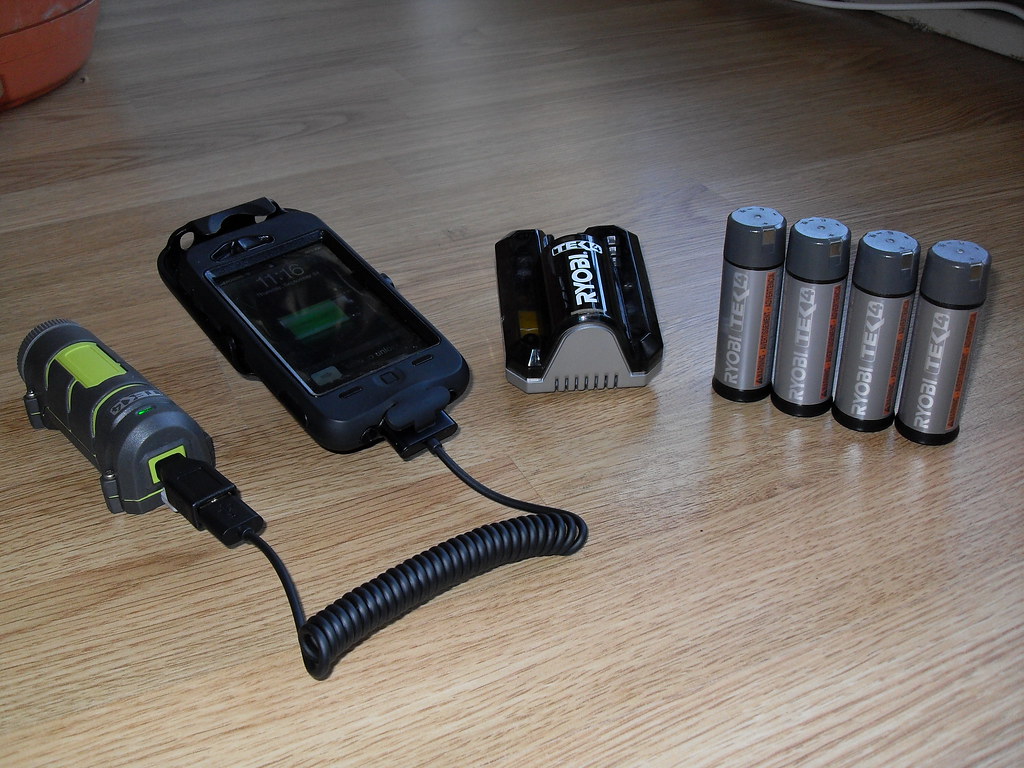
Photo credit: “RYOBI TEK4” by flyzor, licensed BY (https://creativecommons.org/licenses/by/2.0/). Source: https://www.flickr.com/photos/30285260@N02/3950177049