
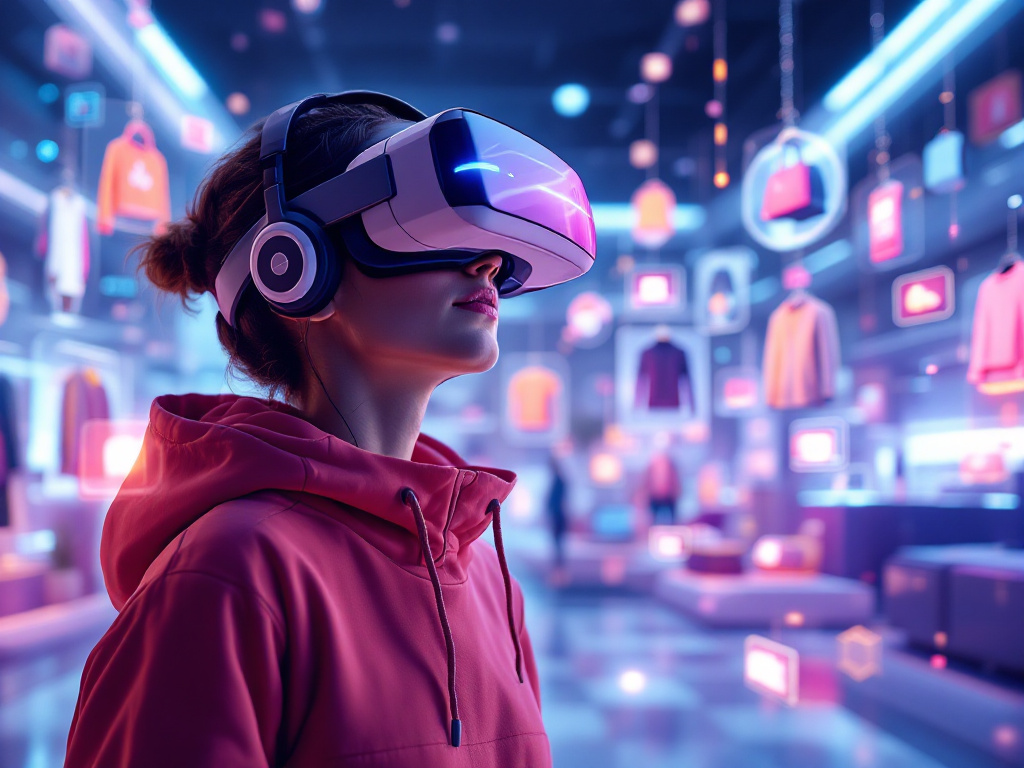
Virtual reality in e-commerce is reshaping how you explore products online. A recent Statista report projects that global spending on VR shopping will exceed $8 billion by 2025. Good news, this shift is easier than it sounds and can boost your confidence while you browse from home. At this point, we’re seeing both boutique shops and big retailers experiment with immersive storefronts. VR sits alongside other major e-commerce future trends like voice and mobile innovations.
Here’s the key idea. Immersive experiences let you preview, try, and share products in a digital setting before you commit to a purchase.
Understand immersive digital showrooms
Virtual retail environments bring a sense of presence you can’t get from flat web pages. Instead of clicking through photos you can:
- Walk around a 3D store layout
- Zoom in on details with realistic lighting
- Interact with product demonstrations
Many brands report that interactive showrooms greatly boost engagement and help you judge scale, texture, and style. It also reduces uncertainty and can lower return rates. That said, building a fully immersive space takes time and resources.
Explore try-before-you-buy features
Augmented fitting rooms and virtual test drives let you try products in a lifelike setting.
Virtual fitting rooms
You can upload your measurements or scan your body to see how clothes or accessories fit on an avatar. Users notice fewer surprises and fewer returns when these tools are in place.
Virtual product trials
For gadgets, furniture, or vehicles, you can place a model in your own space. Imagine positioning a sofa in your living room to check scale or taking a car for a spin on a virtual track. This hands-on feel often boosts confidence and conversion rates.
Assess social and collaborative shopping
VR doesn’t just mimic solo browsing, it brings people together.
Virtual storefront events
Brands host live launches, guided tours, or flash sales in VR spaces. Participants can chat with hosts, ask questions, and claim limited offers. Many shoppers find this format more engaging than standard video streams.
Co-shopping with friends
Invite friends into your virtual store to get feedback in real time. You can share product views, highlight favorites, or even customize designs together. This social twist taps into the fun of in-person shopping.
Plan for VR adoption
Ready to add immersive retail to your site? Here’s how we recommend you start.
Choose the right platform
Compare cost, ease of use, and compatibility with your existing site. Some platforms require headsets while others run in a browser.Integrate with current channels
Blend VR with mobile interfaces so shoppers can switch devices. For tips on device synergy read about mobile shopping trends. You may also want to coordinate with voice interfaces—check our guide on voice commerce trends to see how shoppers juggle different modes.Train your team
Staff need to guide customers through a new interface. A brief virtual orientation can get everyone comfortable quickly.Measure performance
Track metrics like session length, conversion lift, and return reduction. Balance your investment against these gains to refine your approach.Keep a sustainable mindset
Virtual sampling can cut physical returns, packaging, and shipping. For more on eco-friendly retail see sustainability in e-commerce.
Quick recap and next step
We’ve walked through how VR elevates online shopping by letting you explore, try, and share products in immersive settings. We recommend starting with a pilot digital showroom or a virtual fitting room. Track how it affects your engagement and returns, then expand from there. You’ve got this, and these immersive steps lead to more confident purchases and happier customers.